
Andy Weir has carved out a niche that fits him perfectly. Ever since The Martian, Weir has proven that he knows how to turn hard science into gripping storytelling. His stories are driven by the mind of a science nerd but told with a sense of humor and humanity that keeps them from ever feeling cold or technical. The result is a strange and delightful combination of hilarious problem solving, harrowing danger, and genuinely heartwarming drama.
Project Hail Mary may be the best example of that formula yet.
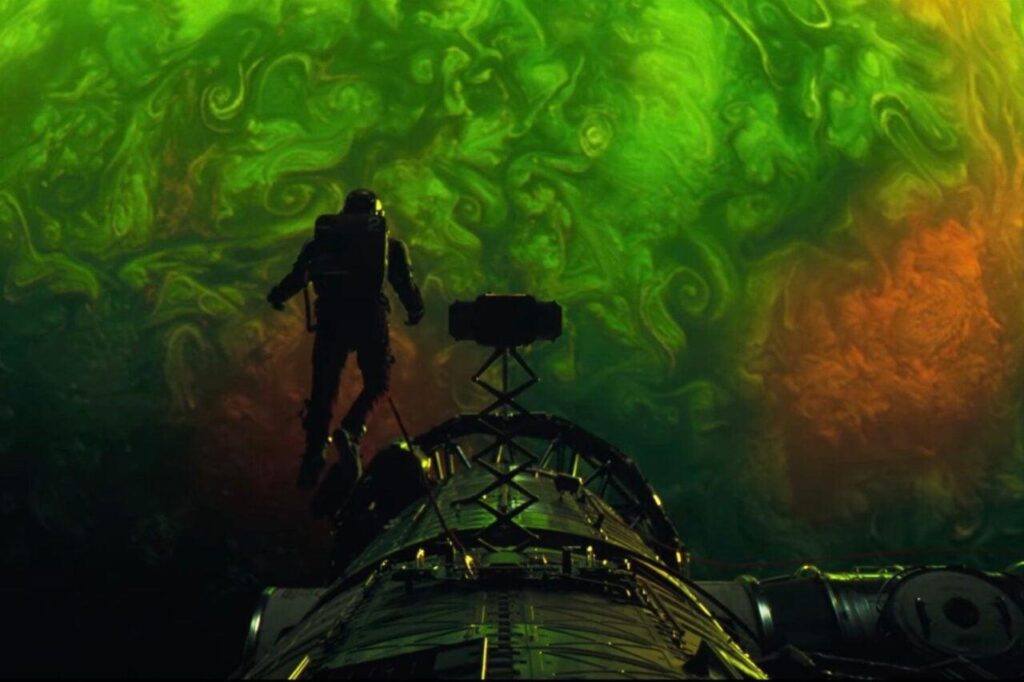
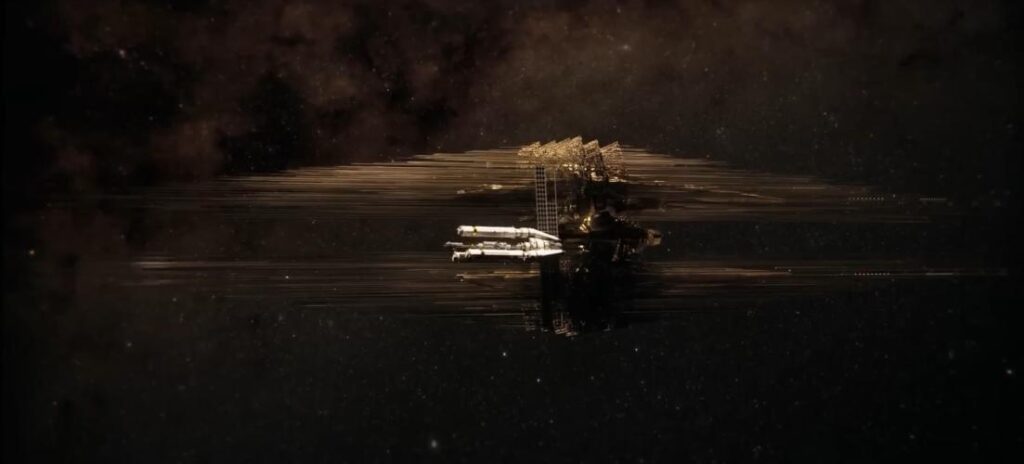
The film adaptation, starring Ryan Gosling and directed by Phil Lord and Christopher Miller, captures the spirit of the novel beautifully. The movie balances tension, humor, and wonder in a way that very few science fiction films manage to pull off. The cinematography is especially impressive. Space feels vast and lonely without ever becoming visually dull, and the film finds creative ways to make scientific discovery feel cinematic rather than academic. There are moments of quiet beauty and moments of edge-of-your-seat suspense, but the film never loses its sense of joy.

At the center of the story is Ryland Grace (Ryan Gosling), a man who wakes up alone aboard a spacecraft with no memory of how he got there. As the story unfolds, we discover that he isn’t the fearless hero we might expect. Grace is brilliant, but he is also hesitant and deeply unsure of himself. In fact, when the opportunity first arises for him to participate in the mission that might save humanity, he tries to avoid it. He doubts his courage and fears the weight of responsibility.
What follows is the kind of story audiences love. Through danger, discovery, and unexpected friendship, Grace gradually becomes the person the mission requires him to be. The reluctant man becomes the hero. It is deeply satisfying to watch someone discover that they are braver than they thought they were.
That’s when an unexpected thought crept into my mind while watching the film. I’m currently preaching through the book of Jonah at my church, and Grace’s story reminded me of Jonah.
The biblical book of Book of Jonah begins with a man who also runs from a mission he does not want. Jonah is called to go to Nineveh and warn the city of God’s judgment. Instead, he boards a ship and sails in the opposite direction. Most people remember the storm and the great fish, but that dramatic episode is not actually the climax of the story. Jonah eventually goes to Nineveh and delivers his message, and the entire city repents. God shows mercy, and disaster is averted.
But then Jonah gets angry about it. Instead of celebrating the salvation of an entire city, the prophet sits outside the walls sulking that God showed compassion to people he hated. The book ends with God asking Jonah a question about mercy and compassion, and then the story simply stops. There is no triumphant ending and no clear resolution.
That is what makes the comparison so interesting.
Project Hail Mary gives us the ending we want. The reluctant man rises to the moment and becomes the hero everyone hoped he could be. Jonah refuses to give us that comfort. It leaves us staring at a man who has experienced the mercy of God and still struggles with a hard heart. Imagine if Weir’s story had ended that way.
Imagine that Grace had refused the mission. He goes back to teaching middle school science and lives out a quiet life. Meanwhile the sun continues to dim, humanity slowly collapses, and the next generation inherits a disaster he might have helped prevent. The camera lingers on a man who chose comfort instead of courage.
That would be a haunting ending, but it would also feel strangely familiar. Scripture contains a moment like that when King Hezekiah is told that judgment will come on his nation after his lifetime. His response is unsettling in its honesty. If there will be peace and security in his days, he is content to let the future take care of itself.

That temptation is closer to home than we might like to admit. We all want to believe that when the moment comes we will rise to the occasion like Grace. We want to be the reluctant hero who ultimately delivers. But Jonah asks a different question. What if the greater danger is not failing heroically but quietly choosing comfort instead of responsibility? What if we enjoy the peace of our days while leaving the mess for someone else?
None of that takes away from how enjoyable Project Hail Mary is. On the contrary, it highlights just how well the story works. Andy Weir understands how to tell a hero’s journey that feels both thrilling and human, and the film captures that beautifully with strong performances, sharp humor, and striking visuals.
But the best stories do more than entertain us. Sometimes they sneak up on us and point us toward deeper questions. This one did that for me. Because while we all want to be the reluctant hero who finally rises to the moment, Jonah reminds us that the real question may be much simpler. When the moment comes, will we run from the call in front of us, or will we answer it?





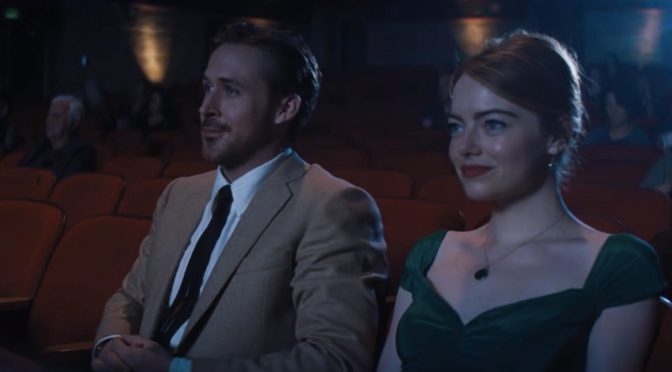



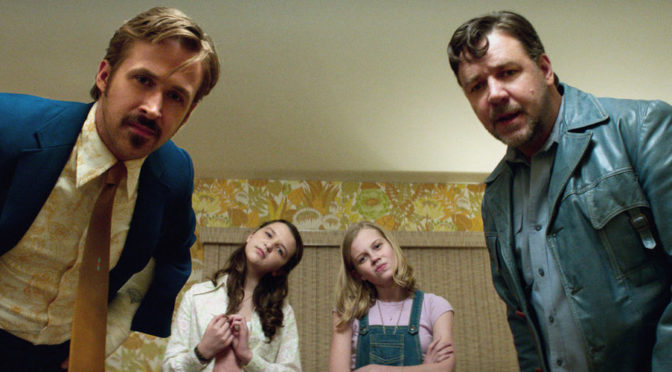
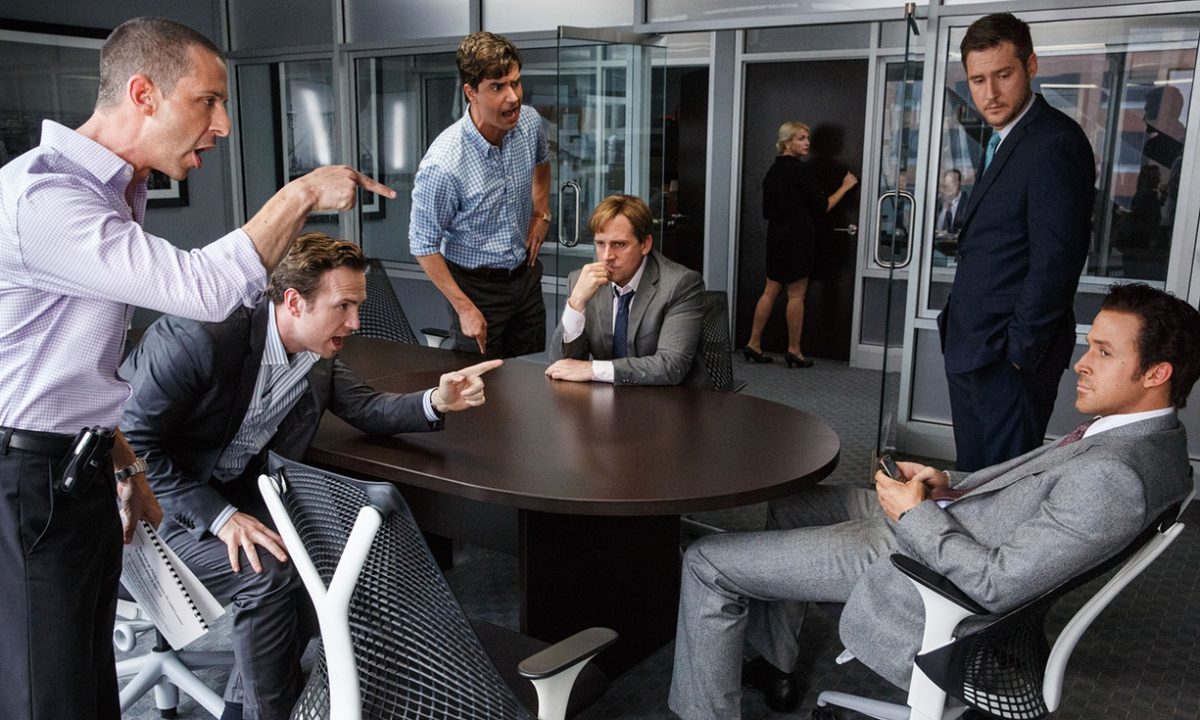
 The Big Short is set in the years leading up to the financial meltdown of 2008 and tells the story of a handful of investors who saw it coming. Bitter humor (primarily delivered by an excellent narrator in Ryan Gosling) guides us through an educational journey that ultimately ends in tragedy (for everyone but our protagonists). The housing market is usually a rock-solid investment. But these guys read the signs and started suspecting that it was a skyscraper built on sand and it was getting ready to collapse. The “experts” of the day told them that it was impossible, That it couldn’t happen.
 There are jump cuts, slow motion, foreshadowing and flash backs. The filmmakers use any and all tricks to explain a complicated mess of financial underhandedness in order to help the audience understand, because as our narrator tells us, “Mortgage backed securities, subprime loans, tranches… Pretty confusing right? Does it make you feel bored? Or stupid? Well, it’s supposed to. Wall Street loves to use confusing terms to make you think only they can do what they do. Or even better, for you to leave them the f*** alone.” The banks, mortgage brokers, the credit ratings agencies and the government manipulated people in the nation and world into investing in worthless packages of bonds, and it behooves the director and writer, Adam McKay, to use all cinematic tricks to explain and untangle the financial corruption. The miracle is that the film deciphers the economic melt-down well while entertaining its audience.
 It would probably be a good time to compare this film to two other recent films which addressed similar issues but in very different ways. First you have the over the top Martin Scorsese film, Wolf of Wall Street. That film became known for the number of F-bombs it dropped while attempting to make the world of investing look cool. Then there was the Oscar winning documentary by Charles Ferguson, Inside Job. It had a cool narrator in Matt Damon, but you almost needed a degree in Finance to follow along as they explained the crisis and spoke to experts. I feel like Adam McKay sought to walk a like between these too films, it is not over the top in an attempt to be cool, nor is it preachy and heavy handed. It reminds me of a heist movie in the vein of Ocean’s Eleven, the casino gets taken for all it’s worth, but in the end the house still wins.
 I’ll let you watch the movie for yourself to get to know the awesome characters that McKay develops for us. As a middle-class worker, I could not have less in common with these guys, but dang it if I didn’t feel myself rooting for and empathizing with them. We’ve got a socially backward fund manager who blasts death metal in his office. The two young guys who started on their own fund while they were still in college. Knowing that they are out of their league, they call in the investing giant turned reclusive doomsday-prepper. Then there’s the hedge-fund manager (and his team) with a bad attitude toward banks.