If you watched the above trailer for Nicholas Winding Refn’s Drive (2011) and then went into the theater expecting a balls-to-the-wall action-filled crime drama you would not be alone. Many people did exactly this and were very disappointed in Drive even though it is one of the best movies of that year and even this decade. The problem here was genre marketing.
Filmmakers, marketers, and audiences usually have a good relationship and that trust is built based upon certain expectations which have been developed over the years. That is what a genre is, a set of conventional storytelling patterns and expectations which filmmakers purposefully use and exploit to communicate within the medium of film.
I don’t think they knew how, or took the time to try, to sell a character-driven art-house neo-noir drama which has very little dialog and extensive sections of long takes broken up with scenes of intense, disturbing violence. Instead, they included nearly all of the dialogue from the film in the trailer and cut it as a standard action flick. The studio even had at least one lawsuit over this discrepancy. This is one example of the importance of genre. As the medium of film has developed, many different genres have emerged and risen to popularity as culture changes and as storytellers mold life into art.
Four Master Tools
With that in mind, you shouldn’t mistake genre for one of the four main storytelling tools. You’ll often see a list of movie genres and right at the top of the list will be action. However, Action is not a genre. You say, “Of course it is! It’s on IMDb.” It’s even on the sidebar list of categories on this site. But I think this is because the field of genre theory has not been able to formalize the popular nomenclature. When people ask, “What kind of movie is it?” They are looking for a simple definition and often the easiest definition is the primary tool that is used. This doesn’t really work though so inevitably the film just gets compared to other films.
It’s easy to call a movie an It is a tool that has been used in all films since audiences were frightened by a train rolling into the station. Action is what differentiates a motion picture from still photography.
The four master tools are:
- Action
- Comedy
- Drama
- Romance
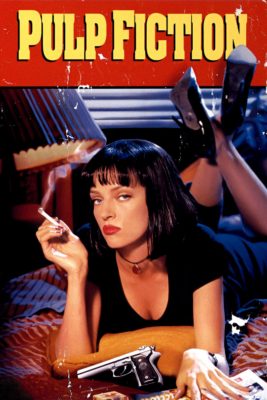
Most films will use one of these tools primarily, but that does not make it a genre. These tools are employed and blended by master storytellers to create. Consider Quentin Tarantino’s modern-classic Pulp Fiction as an example, you can see bits of all four master tools blended together in a way that defied any kind of conventional genre. That is why it was and is called cutting edge. Tarantino created something new and I think he sparked a genre of films that have lazily been called Tarantino-esque.
Using Master Tools in a Genre
So then what is a genre, you ask? As I said before, a genre is a set of conventional storytelling patterns and expectations which filmmakers purposefully use and exploit to communicate within the medium of film. The list of genres is long and it will continue to get longer as time goes on and stories continue to be told in new and exciting ways.
Let’s take another example and flesh this out. Horror is a well-established master genre and several movies like Scream and Cabin in the Woods have outlined those genre expectations and conventions while still living within the genre itself, but let’s dive even deeper down into one of its sub-genres, the zombie film.
Zombies became a feature of religion, folklore, and storytelling in Haiti during the inhumane conditions of slavery. Plucked from their home and forced into terrible conditions, the slaves saw themselves as zombies; Dead inside, forced to do the will of their master. We didn’t see the first Zombie film until 1932 with the Bela Lugosi film White Zombie. It plays on the Haitian folklore much more than modern zombie stories which were solidified by the popularity of George A. Romero’s Night of the Living Dead in 1968 where the term zombies isn’t even used and his follow-up in 1978’s Dawn of the Dead, where the zombies have now come to represent mindless consumerism. This is appropriate because it was the unfettered desire for consumer goods like sugar and tobacco that led to the rise of slavery in the Caribbean.
Today, zombie movies come in all different shapes and sizes and they use the four master tools to shape the story. We can take each of the tools and apply them to the genre to create very different movies. Most zombie films tend towards the action tool more heavily because of the subject matter of aggressive flesh-eating creatures. So, it’s easy to think of zombie action film like World War Z (2013).
However, you can look at the other tools and find examples where those have risen to the surface within the Zombie genre framework. If we look at drama, we have encountered another word whose definition is amorphous at best. Drama has become a junk-drawer term that catches any kind of film that doesn’t neatly fall into other genres. I don’t think the word is bad, but doesn’t every film have drama? Drama is the development of characters in a realistic setting. It involves emotion and relationships and tells a humanistic story.
With this definition, we can see that movies as varied as The Shawshank Redemption, 12 Angry Men, and The Social Network can all be defined as drama, but that does little to help anyone get a sense of what to expect when they sit down to watch. I would postulate that these films are prison-escape, courtroom-legal, and biopic respectively.
So let’s take this tool of drama and elevate it above action in a zombie movie? Rather than blood and gore and chase scenes, you will get the emotional weight of a father losing his daughter to a disease he doesn’t fully understand. In other words, you get a movie like the overlooked Arnold Schwarzenegger film Maggie (2015).
If you really wanted to be a nit-picker you could roll the tool of romance into drama because they are very similar. However, there is enough material and difference to separate them in my opinion. So if you turn the drama in a zombie movie to the specific romantic emotion you would get a very odd juxtaposition, but it’s been done to good effect in the 2013 zombie romance Warm Bodies.
And finally, when you ramp up the comedy in a zombie movie and explore some of the absurd or humorous parts of a zombie apocalypse you get a movie like Zombieland, or better yet Edgar Wright’s Shaun of the Dead (2004).
These are four very different films but they all share the same subject matter and storytelling conventions. The zombies may have risen in different ways and the fight against their spread might be shown more or less prominently but the heart of the story is the same. People have become mindless killing creatures and those who remain are trying to protect themselves while seeking a cure or safety.
I hope this helps you see the depth of variety that exists in the world of film. I’m working on a guide to genre that will breakdown all the major tropes that we see in film and give some names to everything from the absurdest of French new wave cinema to the most realistic of documentary.




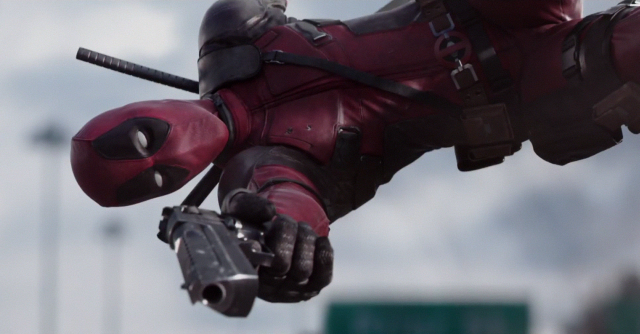
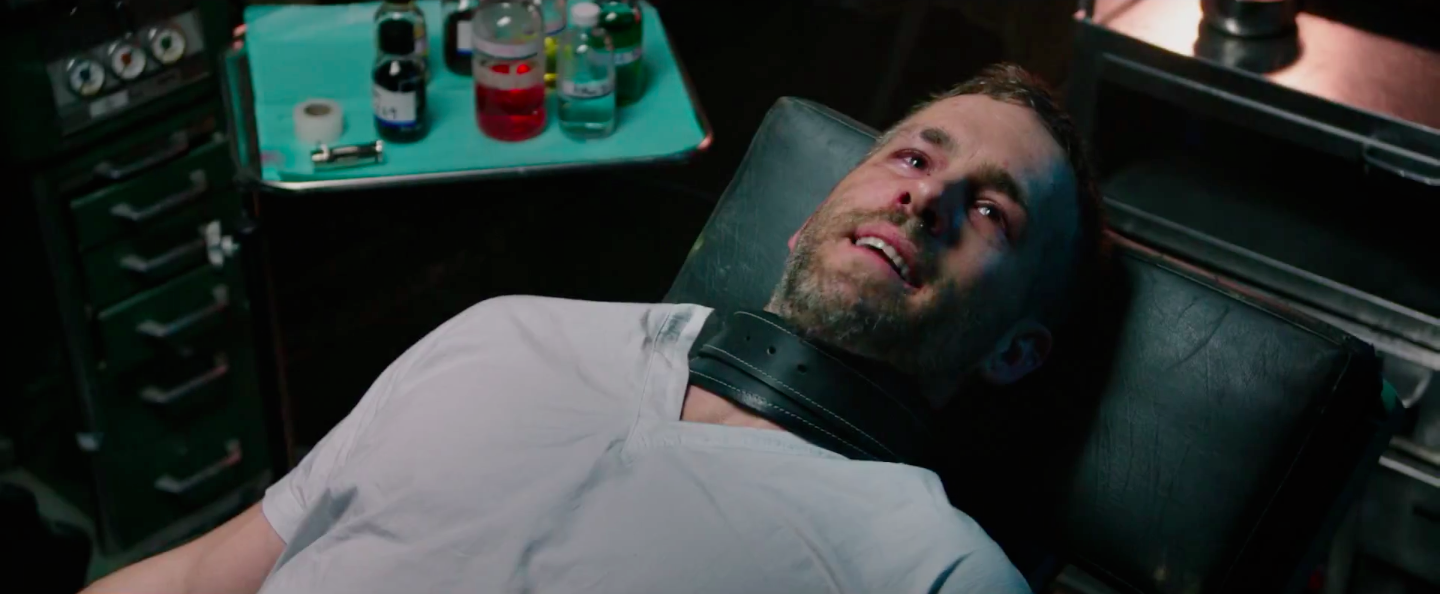
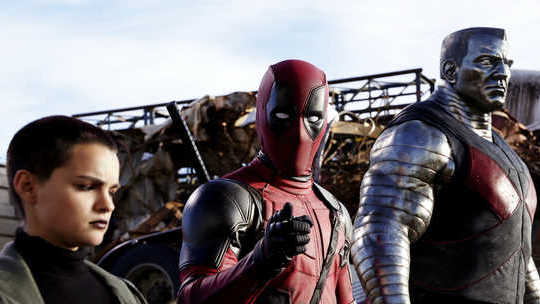 Blind Al and her relationship with Wilson makes sense and makes me want to see more (no pun intended). I think more could have been done to the connection between Colossus (who feels like a big jab at Green Lantern showing that a CGI character can work) and Deadpool than the implication that they’d discussed Wade’s joining the X-Men before, but the dynamic amongst that trio including Negasonic Teenage Warhead (who they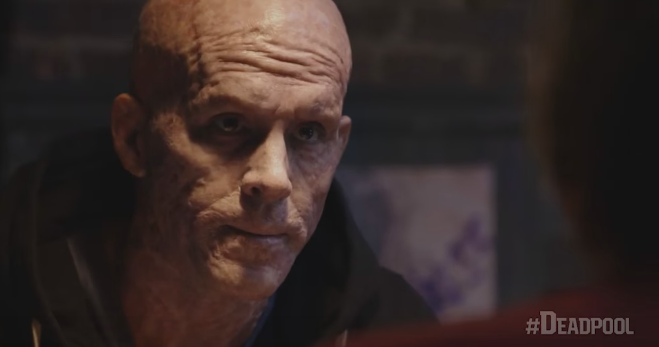
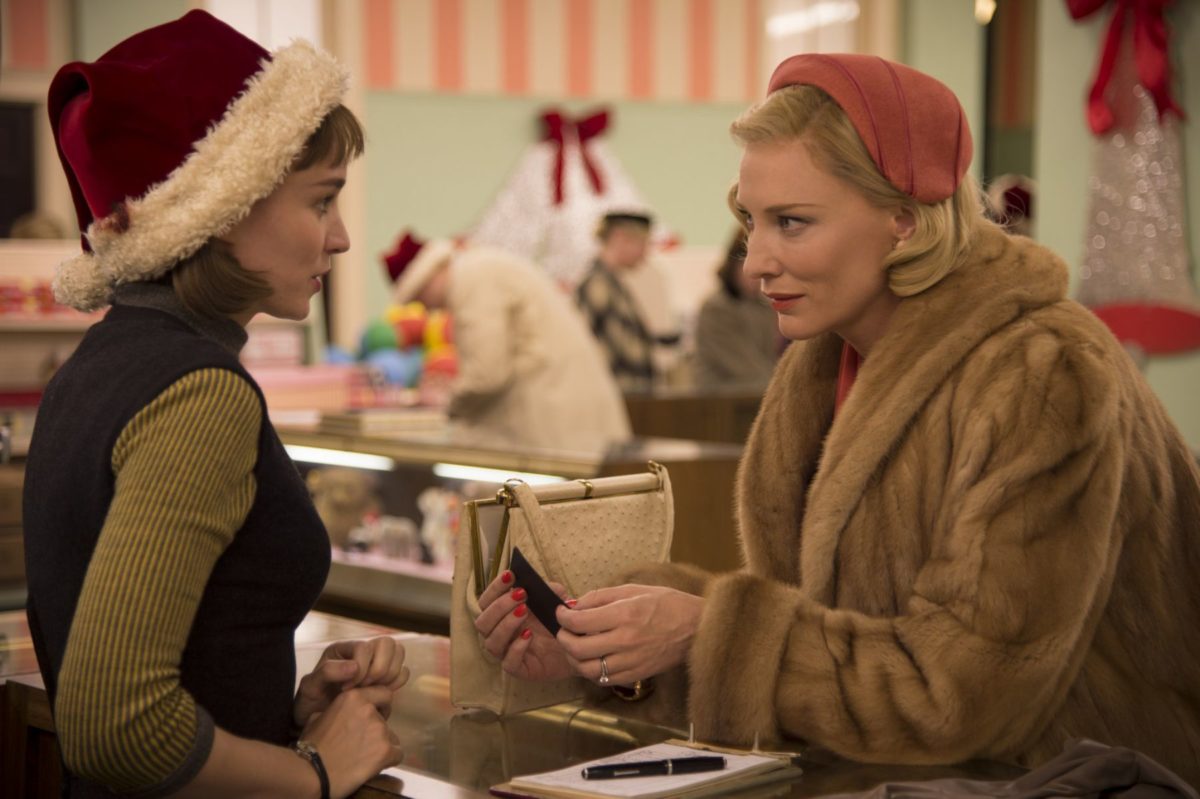
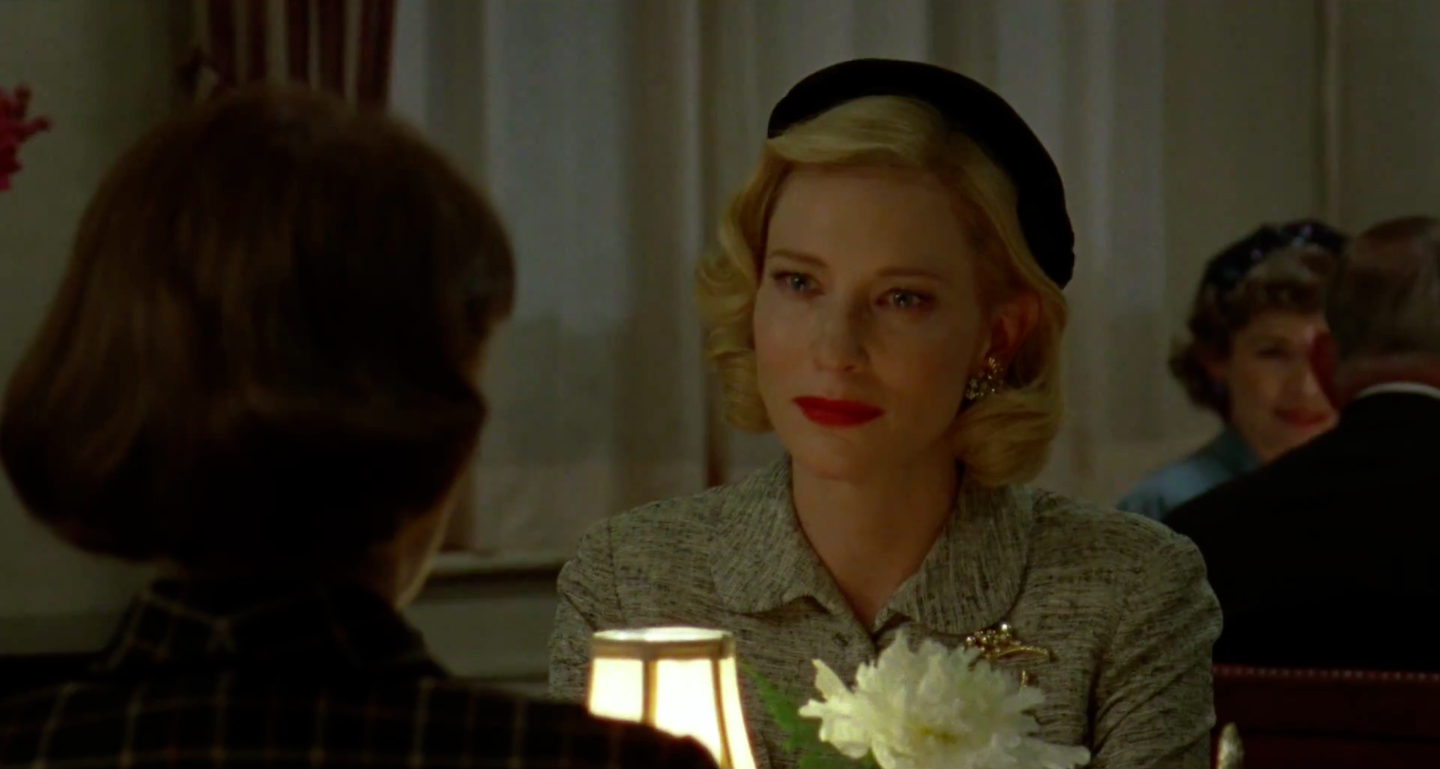 Carol is a fictional story based upon a novel written by Patricia Highsmith. This is the same author who wrote The Talented Mr. Ripley and Strangers on a Train. The novel, “The Price of Salt” was written under a pseudonym, Claire Morgan, perhaps because Highsmith was concerned about the backlash of writing a lesbian love story in 1952, but almost certainly because she drew so much of the meat of the story from her own life. Read how
  One day, a woman in a mink coat drifted into the toy department. Highsmith later recalled, “Perhaps I noticed her because she was alone, or because a mink coat was a rarity, and because she was blondish and seemed to give off light.” Like Alfred Hitchcock, Highsmith was captivated by frosty blondes, all the more so if they were married and rich. The shopper, who slapped her gloves into one hand as she scanned the merchandise, made Highsmith feel “odd and swimmy in the head, near to fainting yet at the same time uplifted.” With an abstracted air, the woman, Mrs. E. R. Senn, bought a doll from Highsmith.
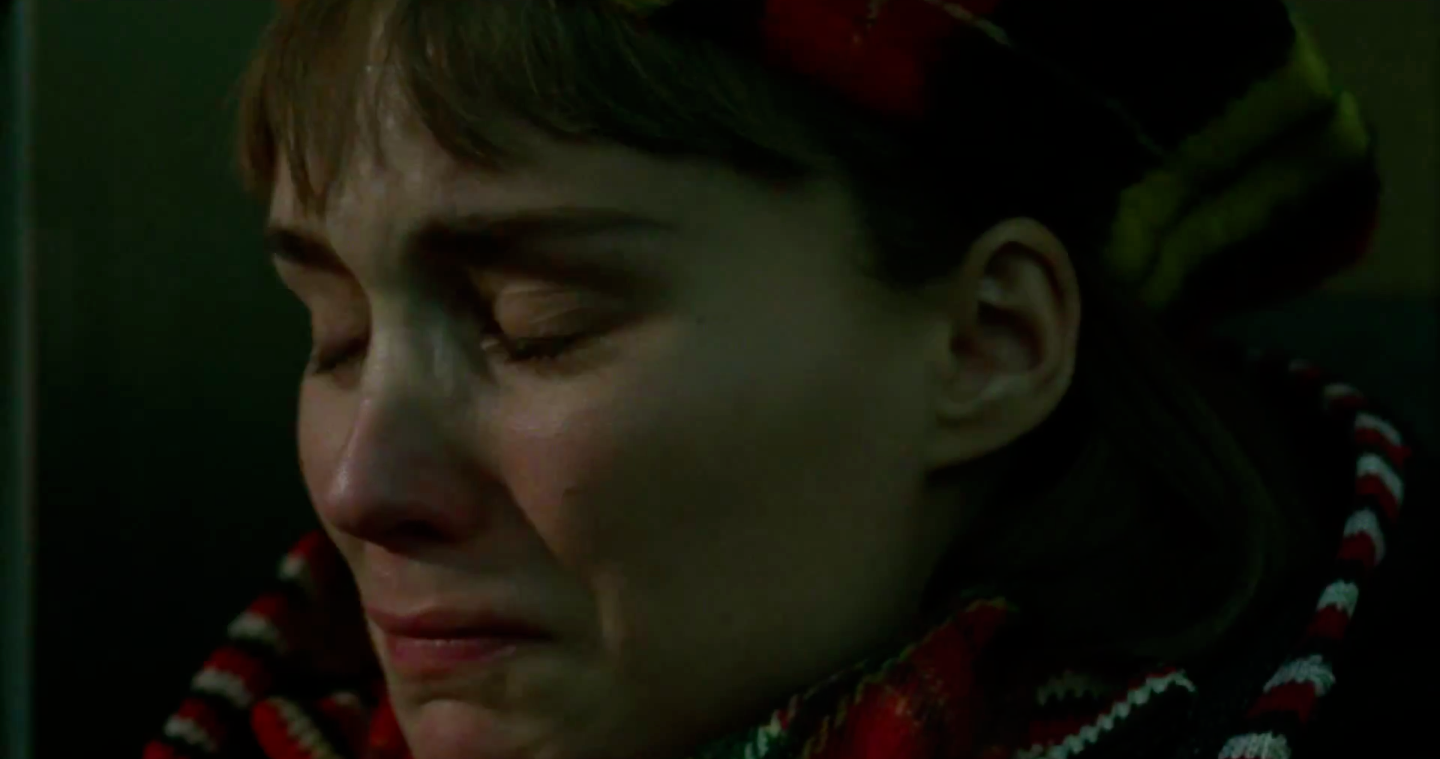 So you now know the basic story behind Carol. A doe-eyed young shopgirl struggles with her identity as she befriends and begins to fall in love with an upper-class older woman going through a difficult divorce. It is such a simple premise for a film, and in today’s world of legalized gay marriage and homosexual characters on seemingly every television show it could have felt trite and boring. But this is not a 2016 retelling of a 1950s story. This is a 1950s film, and if we were able to take a Delorean back to 1955 and present Carol it would be apparent that this film is right on the cutting edge.
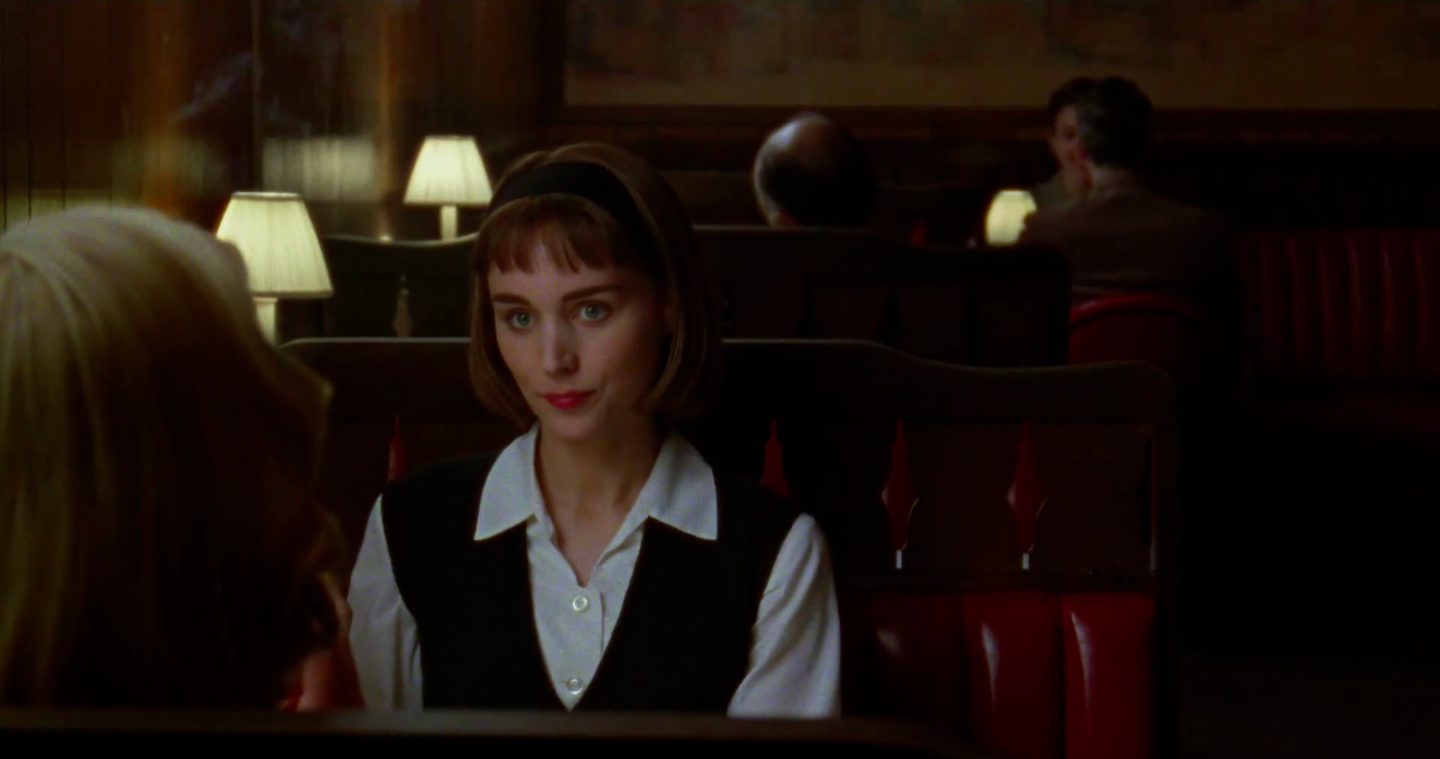
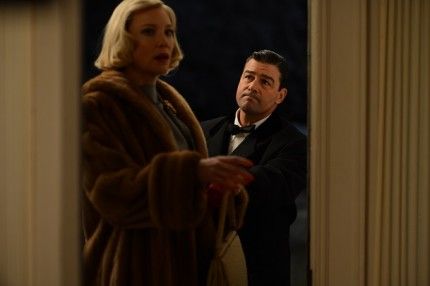 I’m not sure why this movie is titled Carol. To me, Carol (Cate Blanchett) had a much less interesting role in the film than that of Therese (Rooney Mara). Therese grows before our eyes while Carol is set in her ways before we ever meet her. Certainly, both characters stories unfold before us throughout the film, but if I had to pick a lead and supporting character, I’m choosing Therese as the lead. I mean there is no doubt that the author placed herself in the story as her. And although Carol suffers more dramatic hurdles and setbacks I felt much more connected to Therese and her internal struggle.