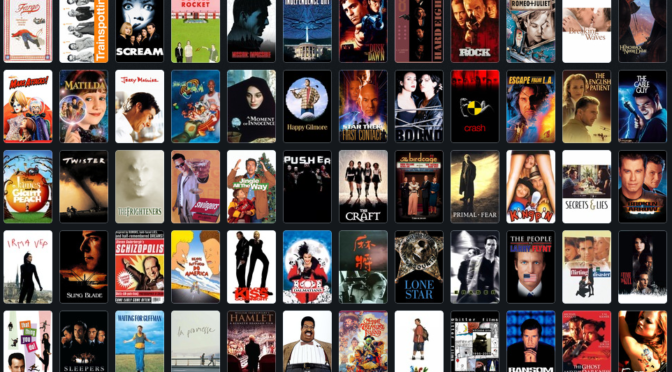
If you stumbled across this and have no idea what’s going on, you can visit my Best Movie Bracket Page and see what I’m doing here to whittle down a century of film into a bracket so I can determine once and for all which film will reign supreme as the best of all time.
Best Film of 1996
Bill Clinton began his second term after defeating Bob Dole and Ross Perot and DVD’s became a thing. Nintendo released the mostly forgettable N64, and the fear of Mad Cow Disease entered the global consciousness. 1996 was an interesting year. It was a year filled with lots of changes for me personally. I was becoming a teenager and my year started with Pauly Shore in Bio-Dome and along the way, I realized that I liked William Shakespeare through Baz Luhrmann’s Romeo+Juliet and I recognized that I would rather watch a movie like Sling Blade than the live-action 101 Dalmations.
However, after 22 years of watching films and a significant amount of cramming in the last month, I think I have come to a determination of the best films of the year. Obviously, best is a subjective term and if you ask me next week I could give you a different list altogether.
1. Fargo
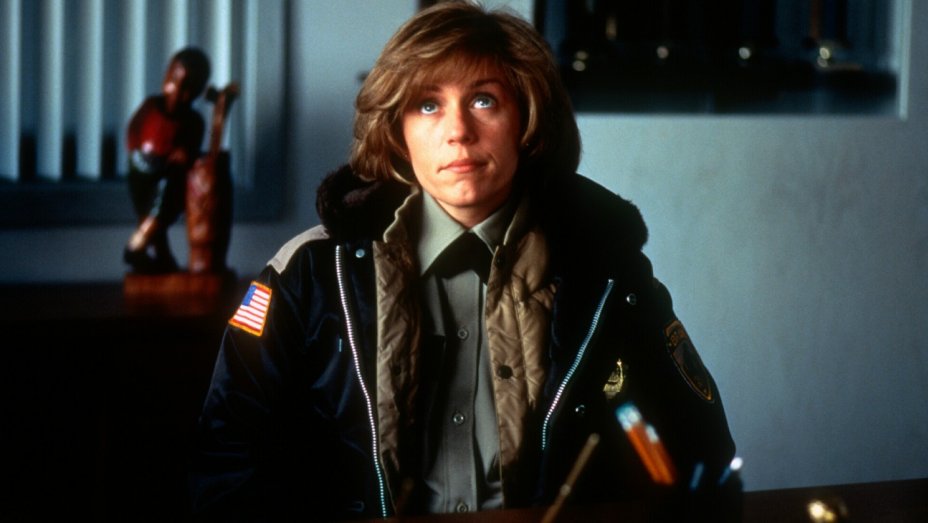
Fargo would probably be my gut instinct pick for best film of the 90s and the Coen brothers are probably my favorite living directors (definitely my favorite directorial sibling team). So, it should be no surprise that this film is on the top of my list. I don’t think I will get a lot of argument about its inclusion either. Frances McDormand won Oscar gold for her performance as Marge Gunderson, and the Coens won for best original screenplay, but in one of the biggest mistakes in Oscar history, they somehow picked The English Patient as the top of the year and overlooked Fargo for 4 other categories.
I probably enjoy this film so much because of Marge Gunderson. Cathleen Falsani in her book The Dude Abides: The Gospel According to the Coen Brothers, says:
Marge is a Christ figure, a mouthpiece for God, willingly risking (with unfailing good cheer) her own safety in order to vanquish evil and restore moral order. In the face of death, she is, quite literally, a fecund life-giver, poised to deliver a child – and a new beginning – into the world. She could also be viewed as the Madonna, the gentle, willing vessel of the Lord. Perhaps her initials, M. G., even indicate this interpretation as Mother of God.
The Rev. Bob Barron, my friend and a catholic priest, suspects the film’s title, Fargo, describes Marge’s mission in life – to go far out to the margins in order to bring wayward sinners back to grace. “She represents Christ; she represents the church at its best,” Barron says. “She’s able to go out to the margins but she is not compromised by it. She’s not drawn into that world. She’s able to go into it in a very intense way; she’s not afraid of it…yet she’s not attracted to it, she’s not drawn into its power. And that’s what the church at its best ought to do.”
I’ve heard that the recent television version of the story is good, but I haven’t caught it yet. Let me know if it’s worth my time.
2. Trainspotting
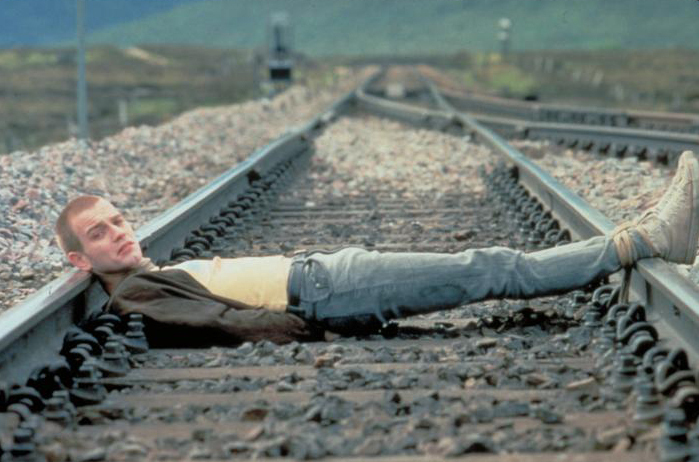
Director Danny Boyle is exciting to watch. Some auteurs have a particular gimmick, style, genre, or theme, but Boyle is always keeping us guessing. He might give us a dark comedy about heroin use in Scotland, or he could tell us a true story about a hiker who gets trapped and is forced to cut his own arm off to survive, or any number of others like Slumdog Millionaire, 28 Days Later, Steve Jobs, Sunshine, or The Beach. Whatever the film, he does it with excellence as if he has always produced that type of film and he brings a visual style and a storytelling flair that is unmatched.
In Trainspotting, the story goes much deeper than heroin as it becomes a stand in for any number of vices and addictions, like sex, violence, or the mindless consumerism that fills much of our days. This is on full display in Renton’s opening/closing “choose life” monologue. Warning Strong Language!
Choose life. Choose a job. Choose a career. Choose a family. Choose a fucking big television, Choose washing machines, cars, compact disc players, and electrical tin openers. Choose good health, low cholesterol and dental insurance. Choose fixed-interest mortgage repayments. Choose a starter home. Choose your friends. Choose leisure wear and matching luggage. Choose a three piece suite on hire purchase in a range of fucking fabrics. Choose DIY and wondering who the fuck you are on a Sunday morning. Choose sitting on that couch watching mind-numbing spirit-crushing game shows, stuffing fucking junk food into your mouth. Choose rotting away at the end of it all, pissing your last in a miserable home, nothing more than an embarrassment to the selfish, fucked-up brats you have spawned to replace yourself. Choose your future. Choose life.
3. Independence Day
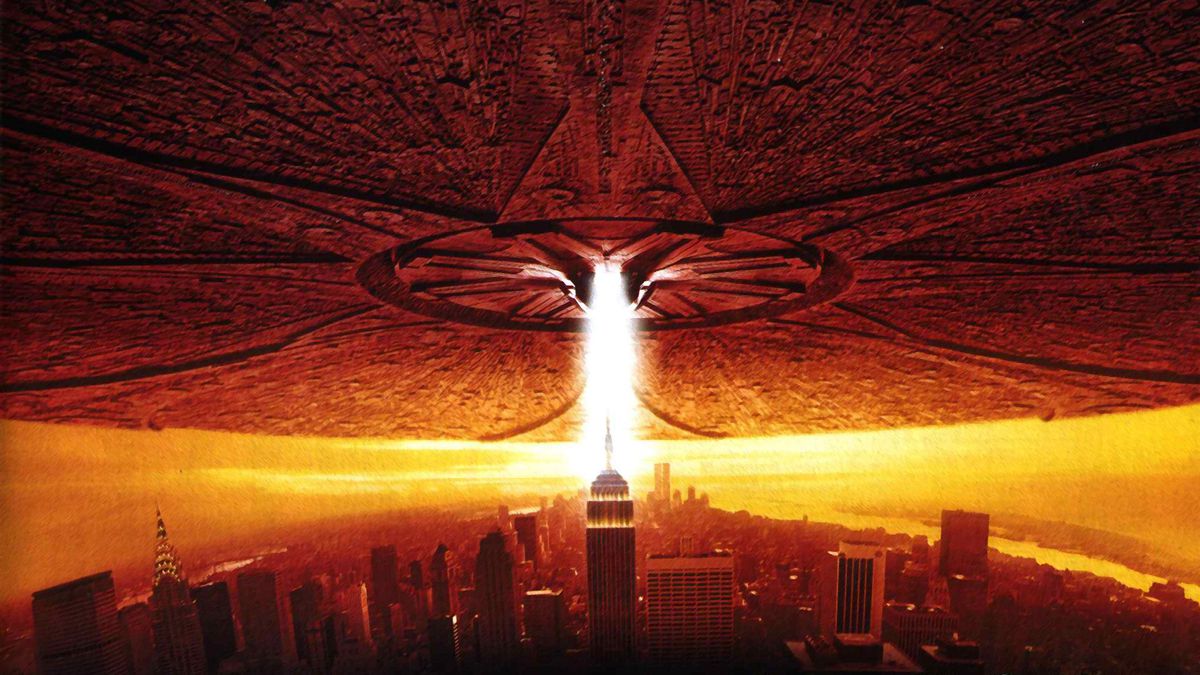
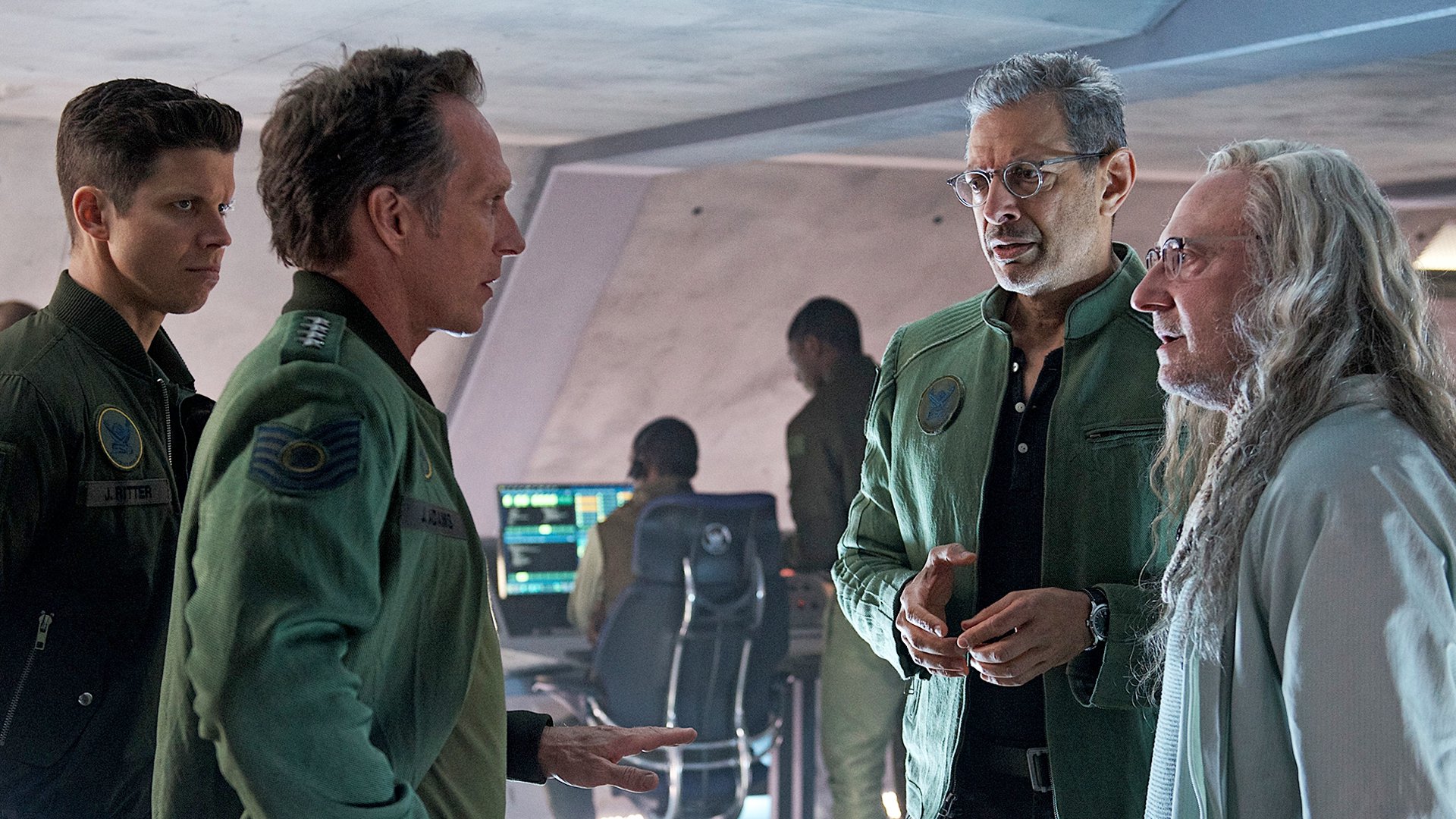
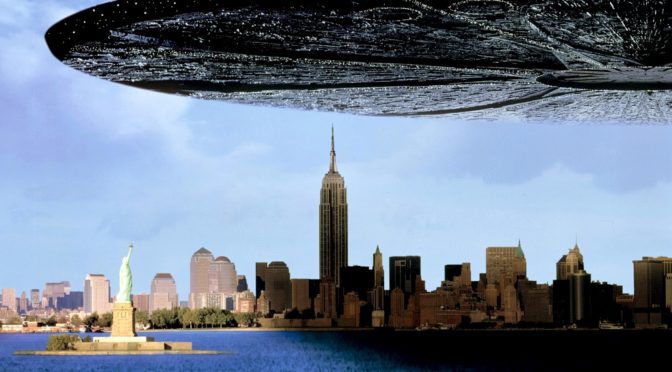
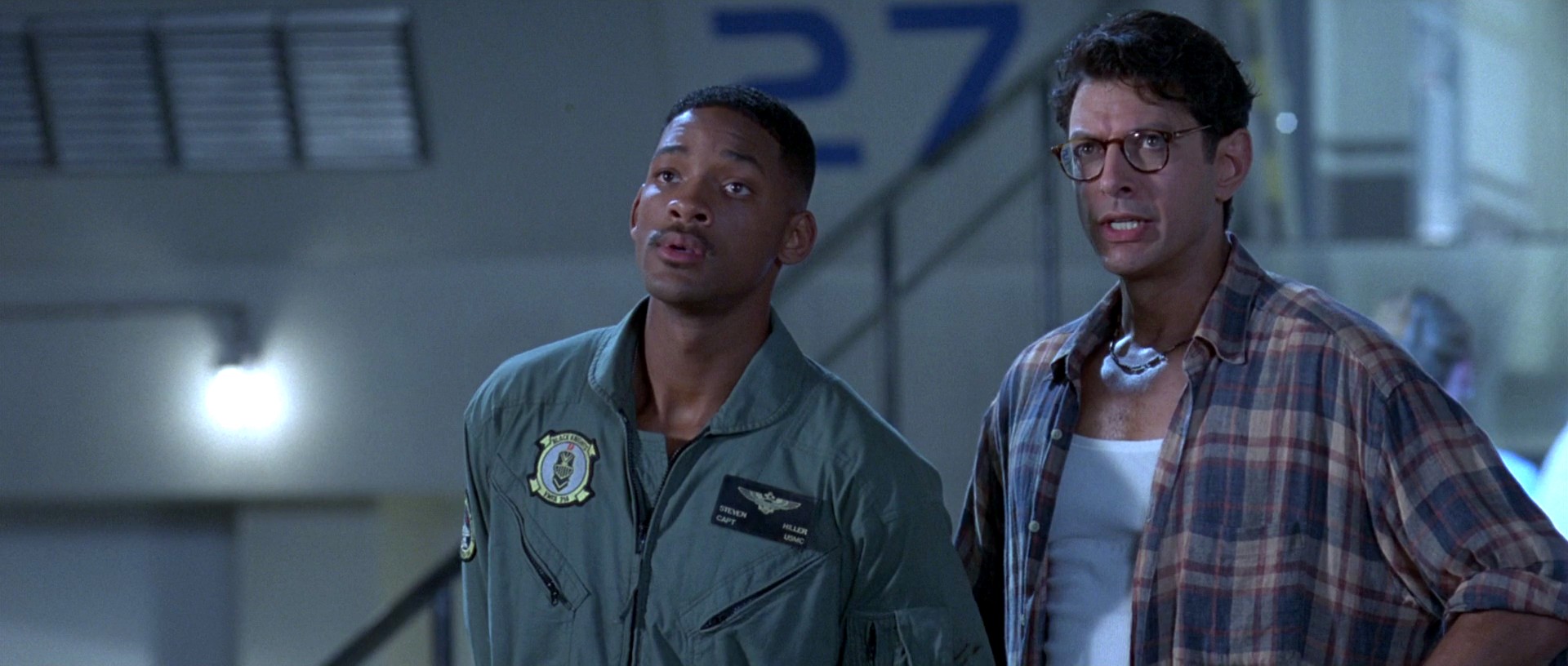
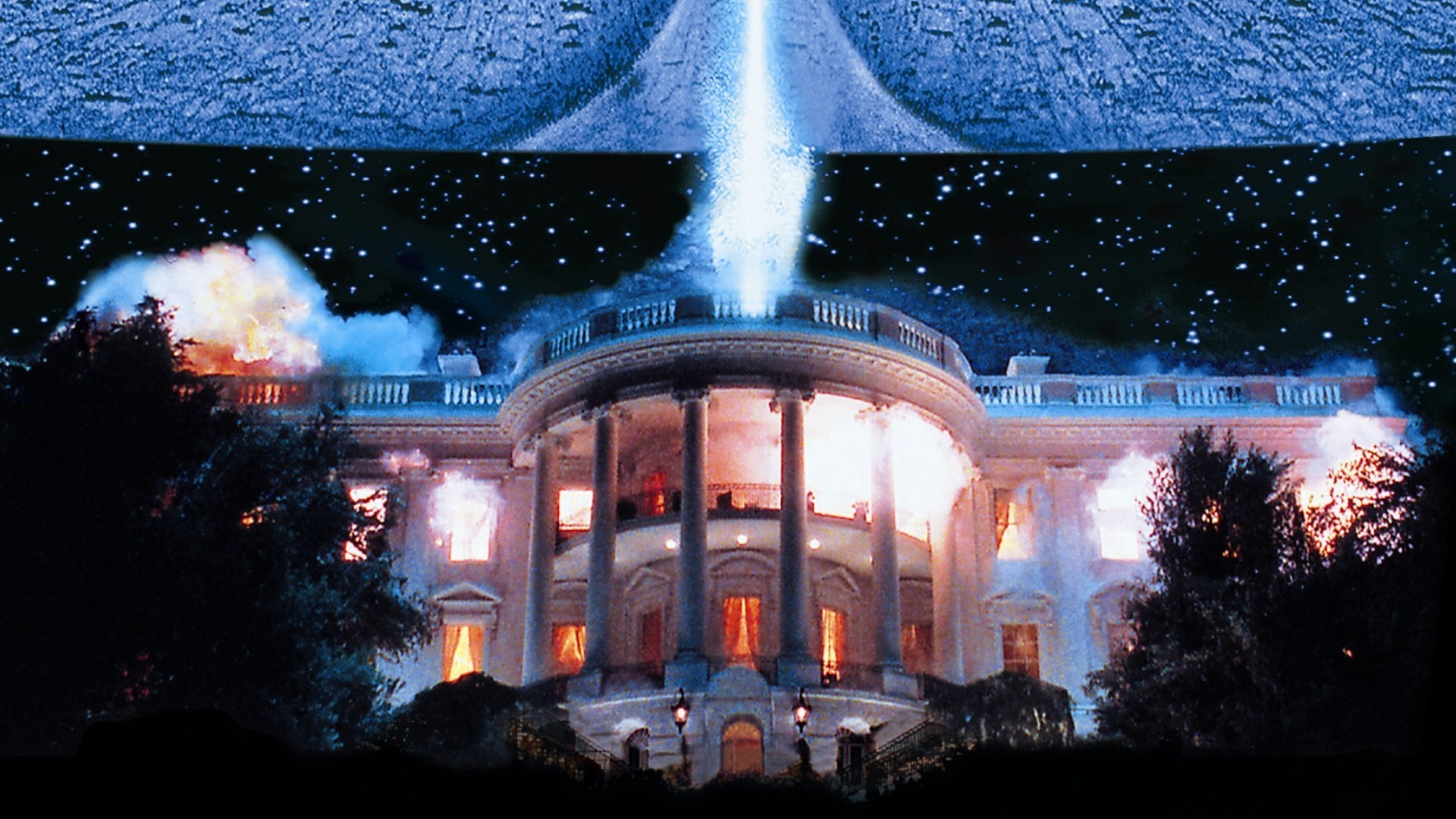
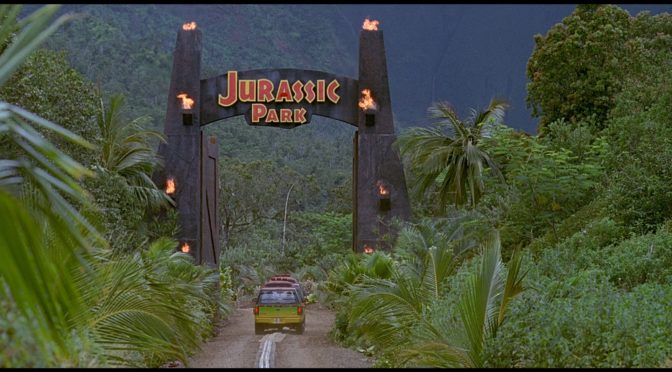
The other two were easy choices, but this one took a bit of reasoning. It might help that I sit writing this on the evening of July 4th as I listen to dozens of fireworks boom throughout the neighborhood outside. This film captured my attention for an entire summer and left me wanting more. It did for aliens what Jurassic Park did for dinosaurs.
As I’ve said before, this Best Movie Bracket list isn’t always about the most critically acclaimed film. There are many different ways to measure the best. Financially and culturally, Independence Day won for 1996 and it left a mark that still resonates today. Alyssa Wilkinson writing for Vox gets to the heart of why I chose Independence Day over a half a dozen others vying for this bronze pedestal.
Independence Day is more product than movie, which isn’t really a strike against it: Like an amusement park thrill ride or a skydiving expedition, the experience of watching it is more about adrenaline and excitement than the artistic qualities of the movie itself. The catharsis of seeing the world destroyed (and then seeing the American president save it) was just right for its moment — when just enough optimism still reigned and computer animation was new enough that the images felt new and invigorating rather than dark and foreboding — and people loved it.
Movies like Independence Day partly succeeded because people could see the movie with their friends or family in the theater and talk about it at work, or over the backyard grill. It was cool and awesome and fun, and that’s all it needed to be.
And, like any good product, the success of Independence Day was a function of its then-pioneering marketing push, which set a template for future big-budget films. Today, selling your film to audiences isn’t just about cutting a good trailer and running it on TV during NFL games, and maybe getting a toy into Happy Meals. It’s about teaser campaigns and cross-promotion and stealth marketing and post-credits scenes that make people want to see the sequel that hasn’t even been shot yet.
All that money, all that marketing, all that big-budget spectacle: It’s quintessentially American, and quintessentially Hollywood. Love it or hate it, that’s the world that Jaws built and Independence Day made inescapable.
Honorable Mentions
- Shine
- Mission: Impossible
- Scream
- Jerry Maguire
- Hard Eight
- Breaking the Waves
- Secrets & Lies
- Twister
- Primal Fear
- Sling Blade
So, where were you in 1996? What fond (or not so fond) memories do you have? Did I leave out one of your favorites? let me know in the comments below. You can also share what you enjoy about these or other top films on social media using the #BestMovieBracket. Thanks for joining me!




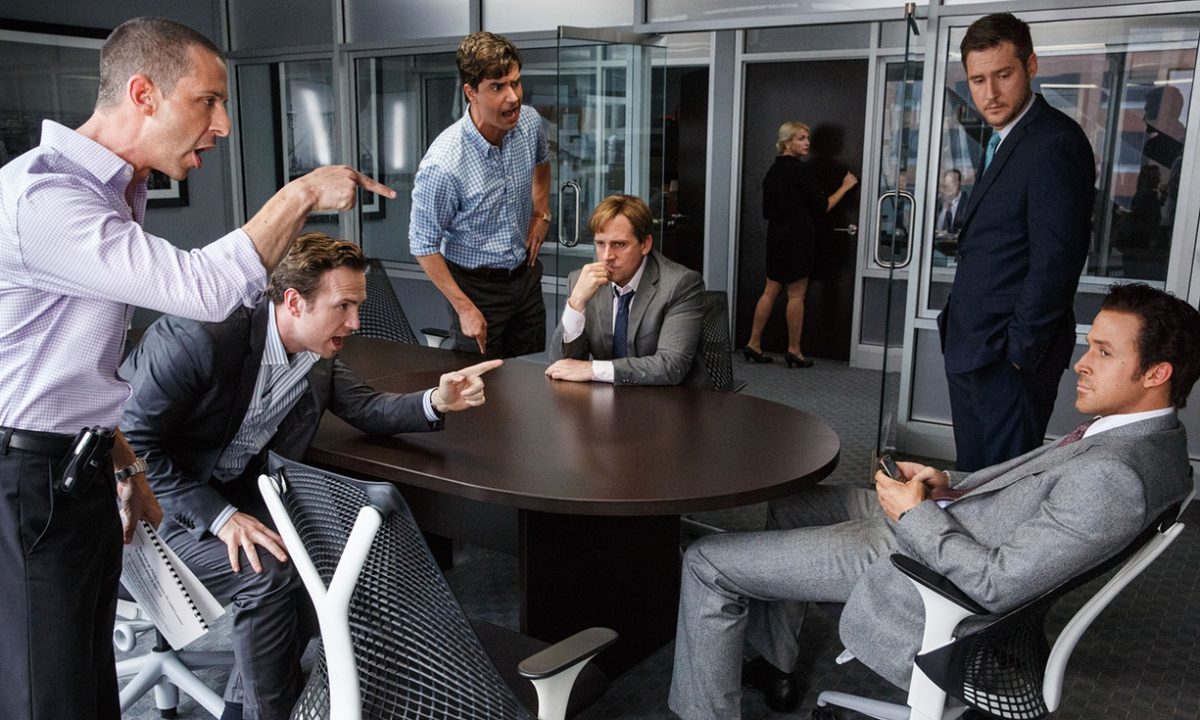
 The Big Short is set in the years leading up to the financial meltdown of 2008 and tells the story of a handful of investors who saw it coming. Bitter humor (primarily delivered by an excellent narrator in Ryan Gosling) guides us through an educational journey that ultimately ends in tragedy (for everyone but our protagonists). The housing market is usually a rock-solid investment. But these guys read the signs and started suspecting that it was a skyscraper built on sand and it was getting ready to collapse. The “experts” of the day told them that it was impossible, That it couldn’t happen.
 There are jump cuts, slow motion, foreshadowing and flash backs. The filmmakers use any and all tricks to explain a complicated mess of financial underhandedness in order to help the audience understand, because as our narrator tells us, “Mortgage backed securities, subprime loans, tranches… Pretty confusing right? Does it make you feel bored? Or stupid? Well, it’s supposed to. Wall Street loves to use confusing terms to make you think only they can do what they do. Or even better, for you to leave them the f*** alone.” The banks, mortgage brokers, the credit ratings agencies and the government manipulated people in the nation and world into investing in worthless packages of bonds, and it behooves the director and writer, Adam McKay, to use all cinematic tricks to explain and untangle the financial corruption. The miracle is that the film deciphers the economic melt-down well while entertaining its audience.
 It would probably be a good time to compare this film to two other recent films which addressed similar issues but in very different ways. First you have the over the top Martin Scorsese film, Wolf of Wall Street. That film became known for the number of F-bombs it dropped while attempting to make the world of investing look cool. Then there was the Oscar winning documentary by Charles Ferguson, Inside Job. It had a cool narrator in Matt Damon, but you almost needed a degree in Finance to follow along as they explained the crisis and spoke to experts. I feel like Adam McKay sought to walk a like between these too films, it is not over the top in an attempt to be cool, nor is it preachy and heavy handed. It reminds me of a heist movie in the vein of Ocean’s Eleven, the casino gets taken for all it’s worth, but in the end the house still wins.
 I’ll let you watch the movie for yourself to get to know the awesome characters that McKay develops for us. As a middle-class worker, I could not have less in common with these guys, but dang it if I didn’t feel myself rooting for and empathizing with them. We’ve got a socially backward fund manager who blasts death metal in his office. The two young guys who started on their own fund while they were still in college. Knowing that they are out of their league, they call in the investing giant turned reclusive doomsday-prepper. Then there’s the hedge-fund manager (and his team) with a bad attitude toward banks.