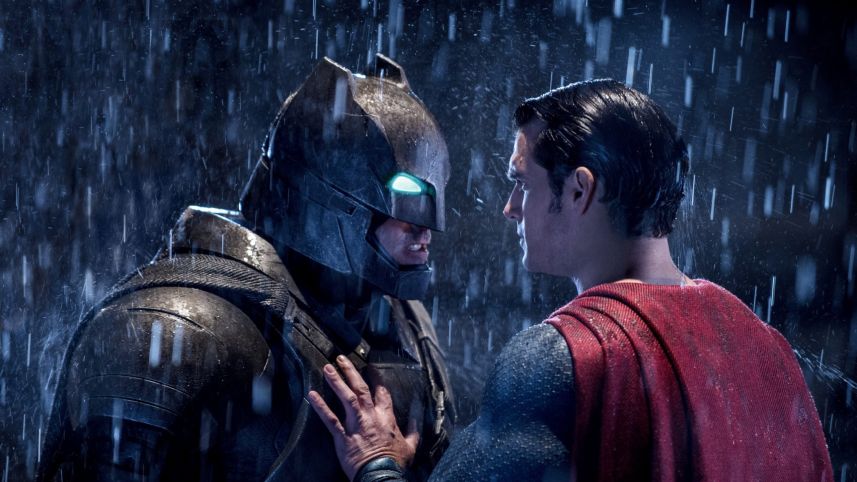
This movie should have been great. So, what happened? In a word, Marvel happened.
I don’t get why it took so long for this to become a phenomenon. Comic books have been mixing and blending story arcs and character development for more than 60 years. In the many different comics iterations and timelines, these two Justice League teammates have battled at least a dozen times or more. So why has it taken so long for movie studios to grasp the idea that while stand alone superhero movies are great, comic book characters joining forces or engaging in battle is a golden ticket?
 I can understand why and I’m personally glad that 60s filmmakers didn’t attempt to create epic superhero battles. The effects were not ready for it. Unless a talented director like Cecil B. DeMille got involved, the film would have likely never been made or would have been terrible. But since the 80s, we have been primed for some epic showdown. Imagine, instead of Batman Returns, we got Michael Keaton’s Batman joining forces with as Wonder Woman (Michelle Pfeiffer) to defeat a Superman (George Clooney) who falls under the control of Poison Ivy (Uma Thurman). That would have been crazy. But instead, the studios were content to create their sequels.
Marvel came to understand this first. With the crazy success of Iron Man it was obvious to studio execs that even less popular comic characters could drive a story if given the right material and a chance. Since then, we have seen Marvel bet against the house with properties like Thor, Guardians of the Galaxy, and Ant-Man and they have won big. (However, they have had missteps along the way, but most of those came out of Fox. (I’m talking to you Daredevil, X-Men Origins, and the not-so-Fantastic Four.) They learned who their audience was and they played right into their pocketbooks. Not only can these properties hold their own audience, but we go nuts when you mix them together.
 There are just a couple of rules to make sure that this works:
- Stay grounded in reality. I think that Marvel has a distinct edge here because their comics are set in real cities. Spiderman web slings around New York not Gotham and even though Thor is from Asgard he lands in New Mexico instead of Smallville. This connection to the audience is crucial and shouldn’t be downplayed.

- Don’t take yourself too seriously. I hate to quote the Joker, but “Why so serious?” Take Batman and Iron Man as examples. They were both orphaned as teenagers, they both inherited vast sums of money and were thrust to the top of their family’s empire, they are both crazy smart and have major character flaws, they both decide to don suits of their own creation to fight crime (albeit one is for revenge while the other is for redemption). So why is there so much difference between the brooding bat, and the playboy rocketman? Maybe you have to chock it up to their personalities, but I will tell you that moviegoers may appreciate a dark and contemplative movie that wrestles with existential quandries. They may even tolerate that from their superhero movie (Thank you Dark Knight) but if every film is like that, it isn’t as enjoyable. The Marvel films have walked this tightrope brilliantly, and I believe that it has made the difference in the success of their films and the detriment of others. In a word, a comic book movie should be, above all, fun.

- Tell great stories. This is more of a general principle for all movies and it kinda goes hand in hand with staying rooted in reality. As a movie-goer, if you don’t give me a compelling story that I can follow, I don’t care if you are Stanley Kubrick or Michael Bay, I will not care for your movie, because there is nothing to care about. That means that you can’t give me a movie that is so complex that I need to take notes as I go, and it can’t be so vapid that I feel like it has about as much substance as a balloon. When you have a huge film like Spiderman 3 with 3 newly introduced villains and then you waste precious character development time by throwing in a street dancing emo Peter Parker, the audience says nope, not worth it. On the flip side, you can have Captain America: Civil War with 12 Marvel Characters including a handful that we just met and as long as you give me funny dialogue, awesome special effects, and a believable story arc, they will be with you all the way.

I will say this, I didn’t hate Batman vs. Superman. It just left me wanting more and less at the same time, if that makes any sense. I wanted to see more depth of character than brooding and contemplative stares. I wanted the movie to be boiled down to a simple plot without DC getting ahead of itself and setting up a whole range of other movies that are in the pipeline. If the movie I’m watching isn’t great, it makes me much less excited about the future movies in the franchise.
This movie was almost enough to push the viewers into clinical depression. it is extremely dark and foreboding. Where was the fun DC? It left me craving Joel Schumacher Batman. I’m hoping that the DC universe is going to be darkest before the dawn, and now that we are after the dawn they will come out of their moody teenage angst. Tell me what you thought.
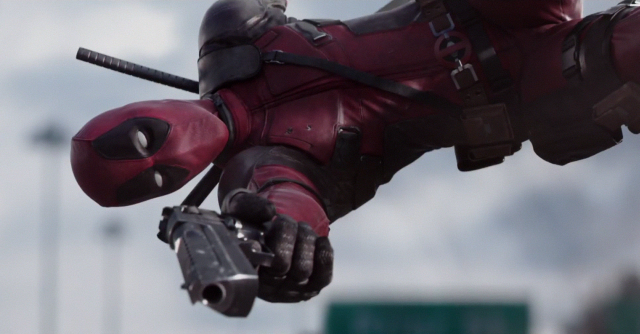
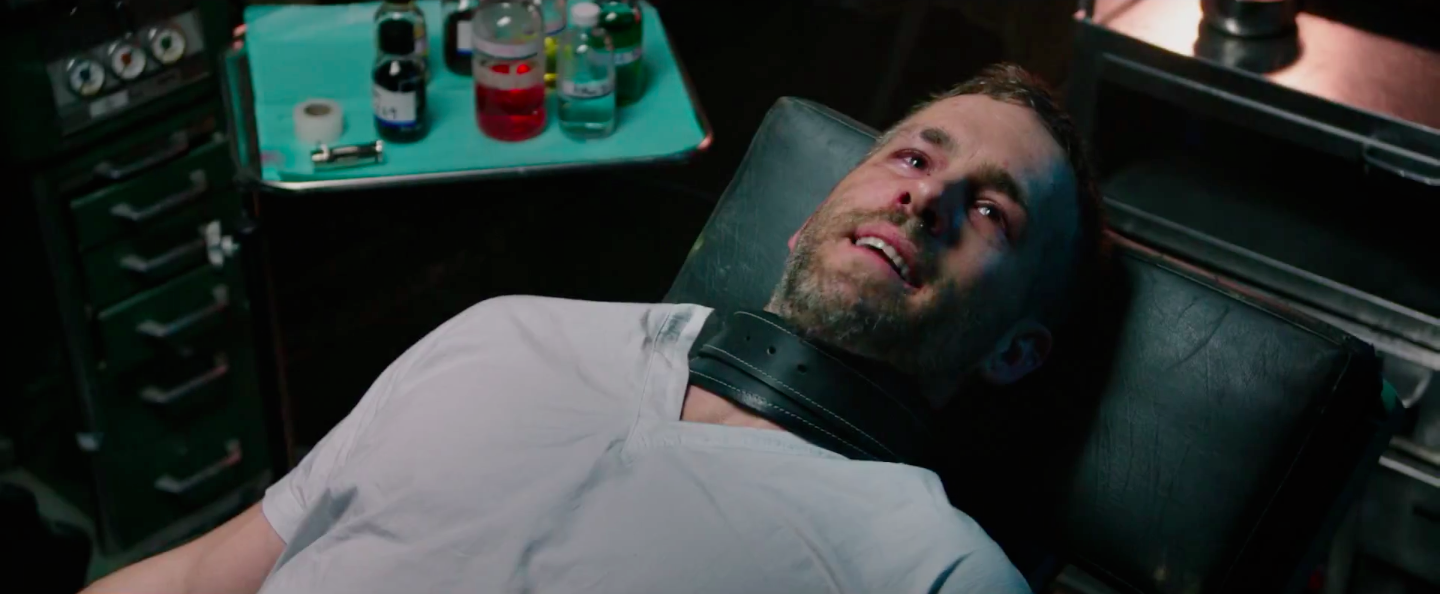
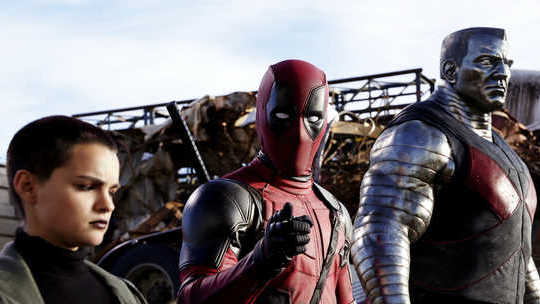 Blind Al and her relationship with Wilson makes sense and makes me want to see more (no pun intended). I think more could have been done to the connection between Colossus (who feels like a big jab at Green Lantern showing that a CGI character can work) and Deadpool than the implication that they’d discussed Wade’s joining the X-Men before, but the dynamic amongst that trio including Negasonic Teenage Warhead (who they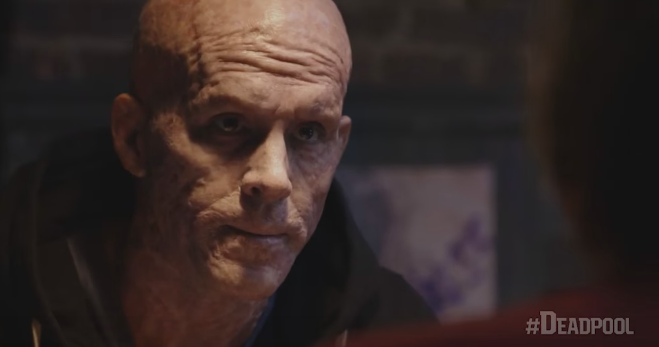
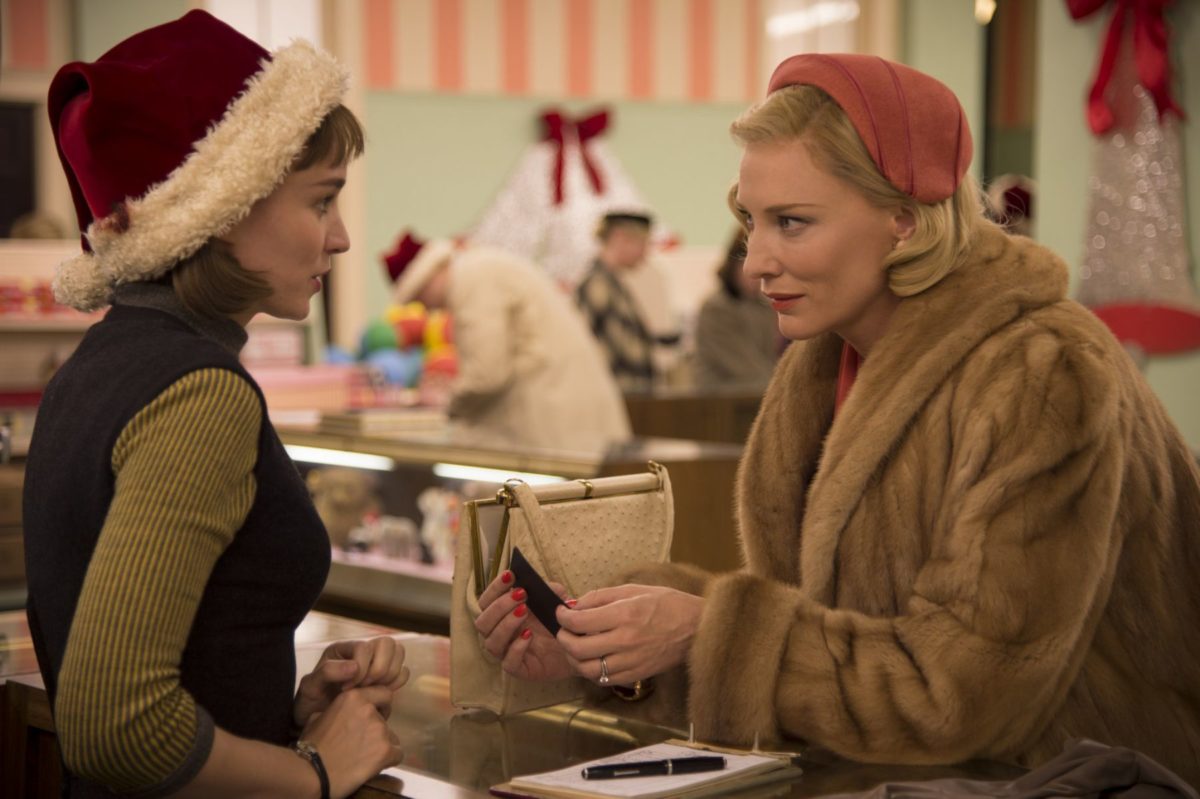
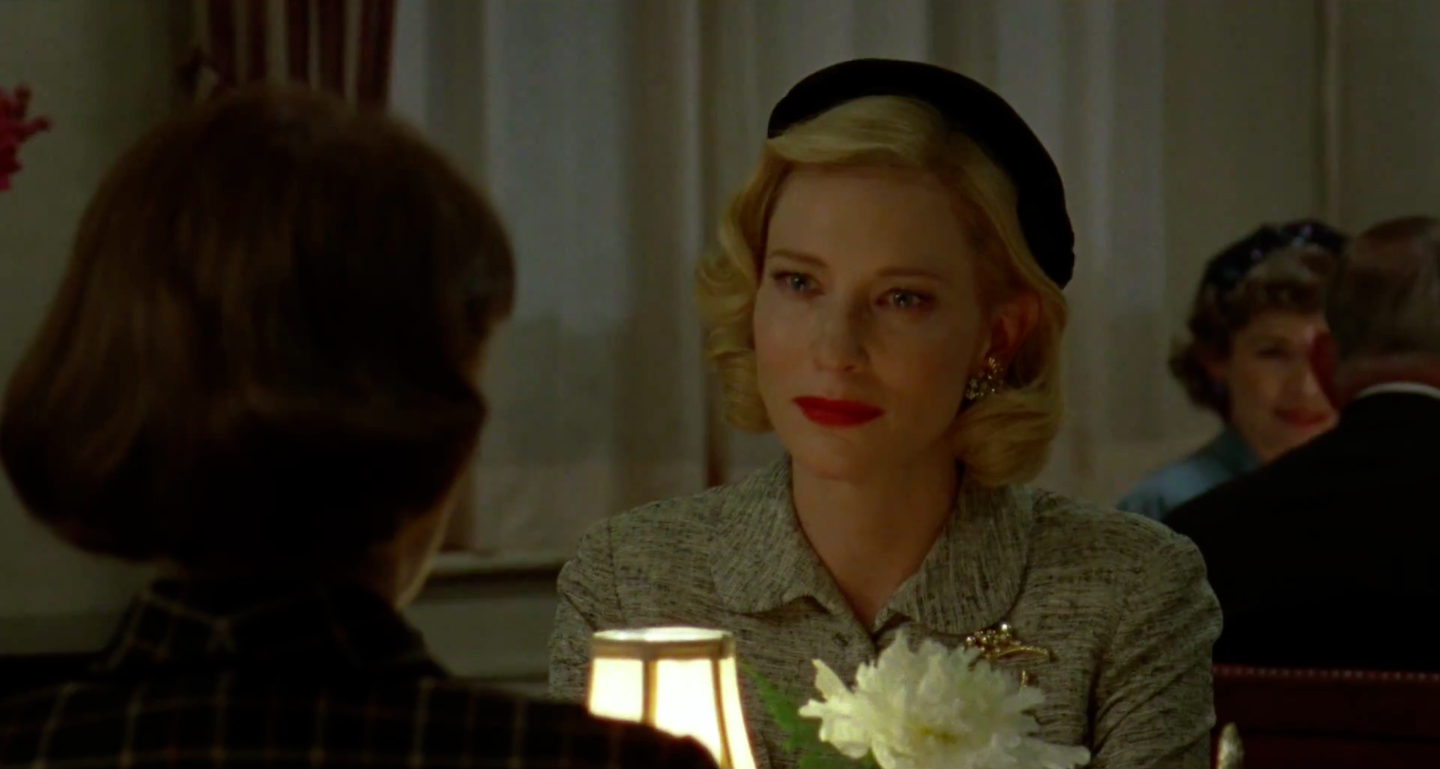 Carol is a fictional story based upon a novel written by Patricia Highsmith. This is the same author who wrote The Talented Mr. Ripley and Strangers on a Train. The novel, “The Price of Salt” was written under a pseudonym, Claire Morgan, perhaps because Highsmith was concerned about the backlash of writing a lesbian love story in 1952, but almost certainly because she drew so much of the meat of the story from her own life. Read how
 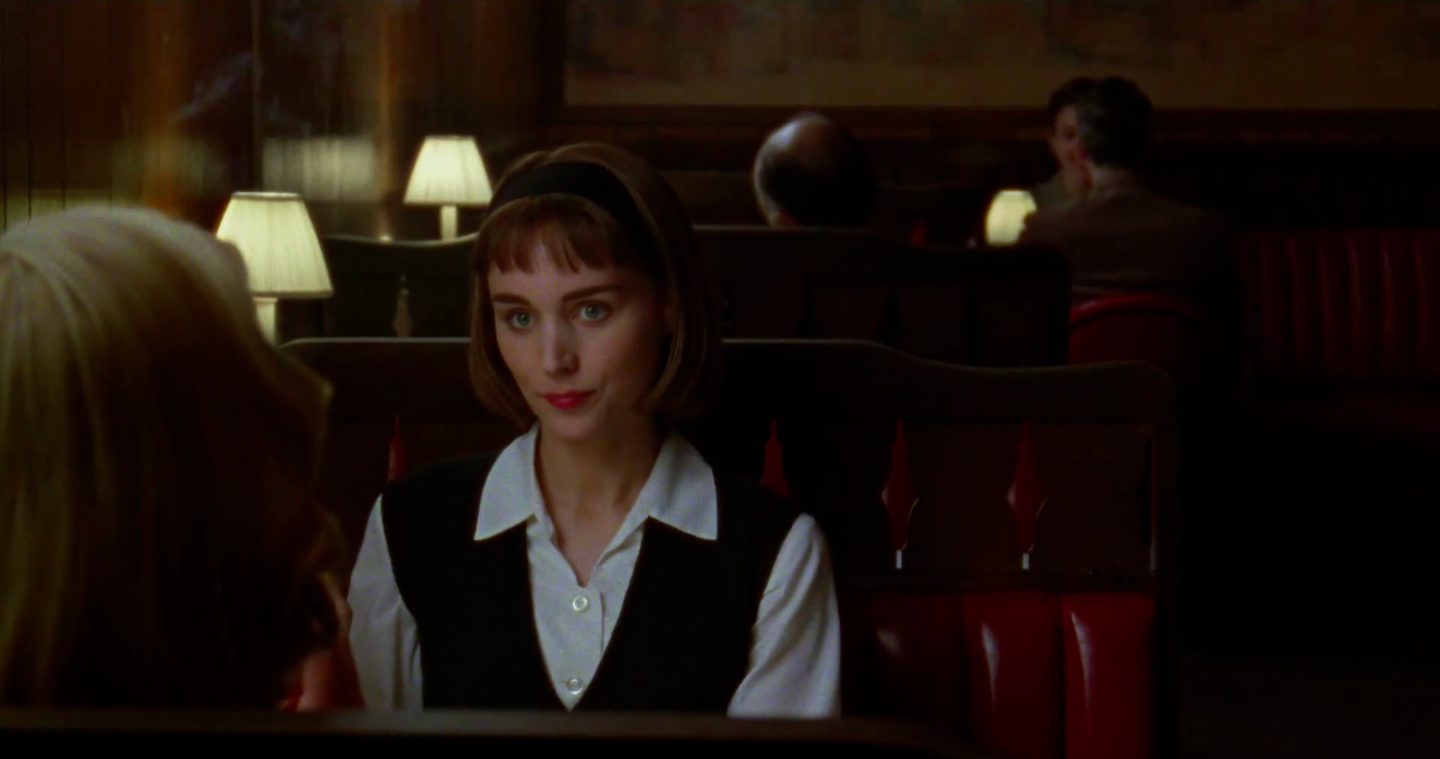 One day, a woman in a mink coat drifted into the toy department. Highsmith later recalled, “Perhaps I noticed her because she was alone, or because a mink coat was a rarity, and because she was blondish and seemed to give off light.” Like Alfred Hitchcock, Highsmith was captivated by frosty blondes, all the more so if they were married and rich. The shopper, who slapped her gloves into one hand as she scanned the merchandise, made Highsmith feel “odd and swimmy in the head, near to fainting yet at the same time uplifted.” With an abstracted air, the woman, Mrs. E. R. Senn, bought a doll from Highsmith.
 So you now know the basic story behind Carol. A doe-eyed young shopgirl struggles with her identity as she befriends and begins to fall in love with an upper-class older woman going through a difficult divorce. It is such a simple premise for a film, and in today’s world of legalized gay marriage and homosexual characters on seemingly every television show it could have felt trite and boring. But this is not a 2016 retelling of a 1950s story. This is a 1950s film, and if we were able to take a Delorean back to 1955 and present Carol it would be apparent that this film is right on the cutting edge.
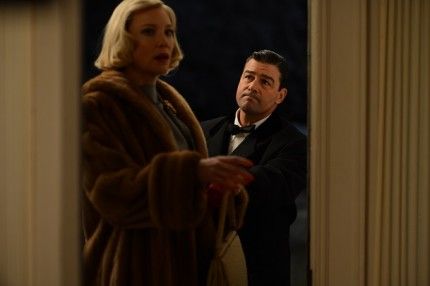 I’m not sure why this movie is titled Carol. To me, Carol (Cate Blanchett) had a much less interesting role in the film than that of Therese (Rooney Mara). Therese grows before our eyes while Carol is set in her ways before we ever meet her. Certainly, both characters stories unfold before us throughout the film, but if I had to pick a lead and supporting character, I’m choosing Therese as the lead. I mean there is no doubt that the author placed herself in the story as her. And although Carol suffers more dramatic hurdles and setbacks I felt much more connected to Therese and her internal struggle.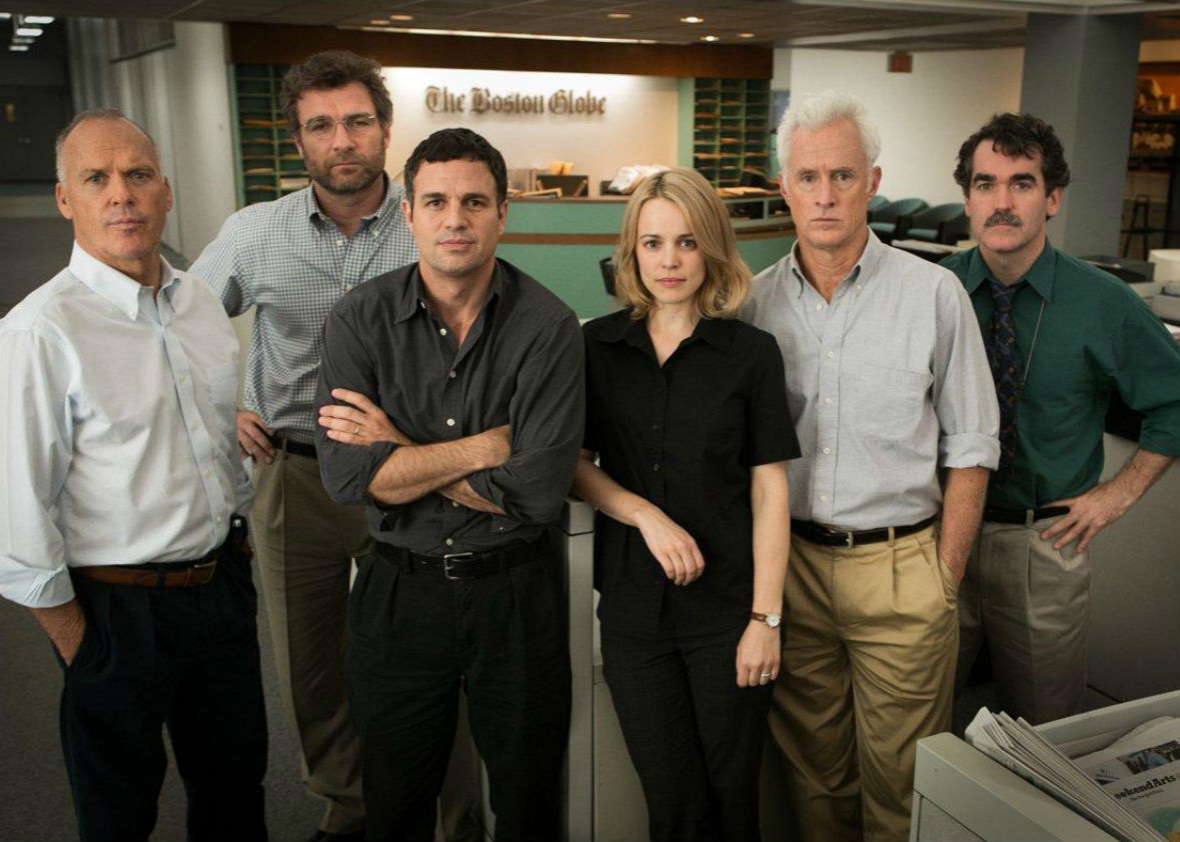
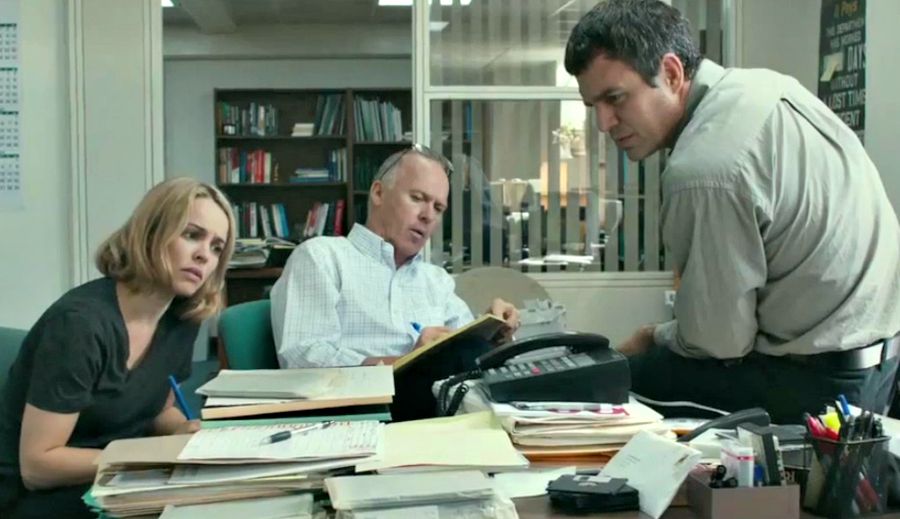 A few isolated incidents of priests (or pastors) falling into sin is unavoidable. However, the story that Spotlight tells goes deeper to reveal the ugly truth that the Catholic Church as an institution collaborated to cover-up these incidents, protect the offenders from justice, and create an environment where further atrocities could take place. This pains me as a believer knowing that we are all fallen and corrupt people in need of grace, but I can only imagine the collective effect that these scandals have had on the church (Catholic and Protestant alike) as non-believers and marginal attenders have left in droves in the past decade. An
  Oddly enough, reporters have perhaps lost just as much respect as priests but for a completely different reason. I mean, how much more respect can you get than being the job that Superman choose to do as his alter ego. But I miss the day when news was actually news. Why does anyone care that Kim Kardashian and Amber Rose are having a feud over a couple of selfies and social media posts? Why was Tom Brady sentencing and appeal over “Deflategate” headline news while Greece’s economy was tanking and Turkey was stepping up to fight Daesh. This film reminded me that journalists used to investigate and break real stories. I hope that the pendulum swings back to the American people valuing the reporters that tell real stories that impact the community and not which celebrities just broke up.
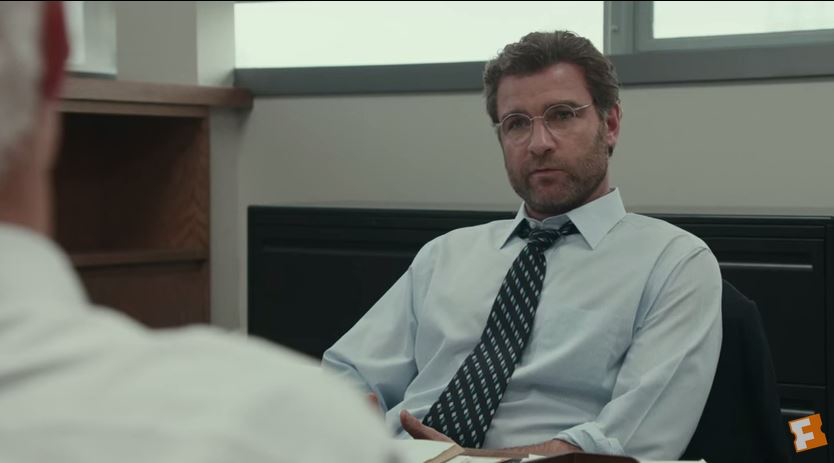 Channeling great films like All The President’s Men and Network, Spotlight, written by Tom McCarthy and Josh Singer, honors the account of events with their writing but never loses sight of the story they are telling. The writing is outstanding. They don’t have any agenda in this film except telling the story. I was afraid that as this subject was handled in film we would see a vilifying of the Catholic Church. On the flip side, it was also good that they didn’t try to make heroes out of the Boston Globe. It felt like they tried to be completely unbiased while writing the story. It could have been very easy for this film turn into a Lifetime or ABC Family movie and be a manipulative mess, but instead it became a polished and well-wrought film.
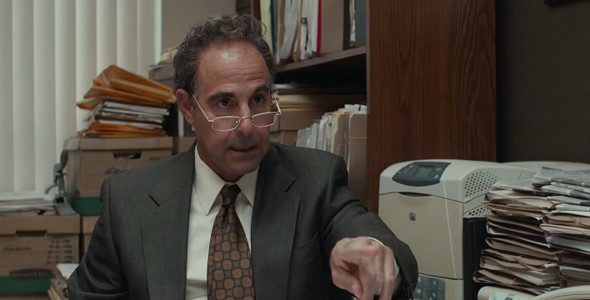 McCarthy, also the director, lets his actors and the shocking truth take center stage. Mark Ruffalo gives a fantastic performance as a highly driven investigative journalist and has really been knocking them out of the park lately. Michael Keaton also gives another awards season-worthy performance as the leader of the Spotlight team. Stanley Tucci was amazing, though I don’t think Tucci is capable of giving a bad performance. Also, Liev Schreiber gives one of the best performances of his career. His turn as Marty Baron was calm and understated, but he takes charge in every scene he’s in, which is saying something considering the caliber of the other actors and actresses with whom Schreiber shares the screen.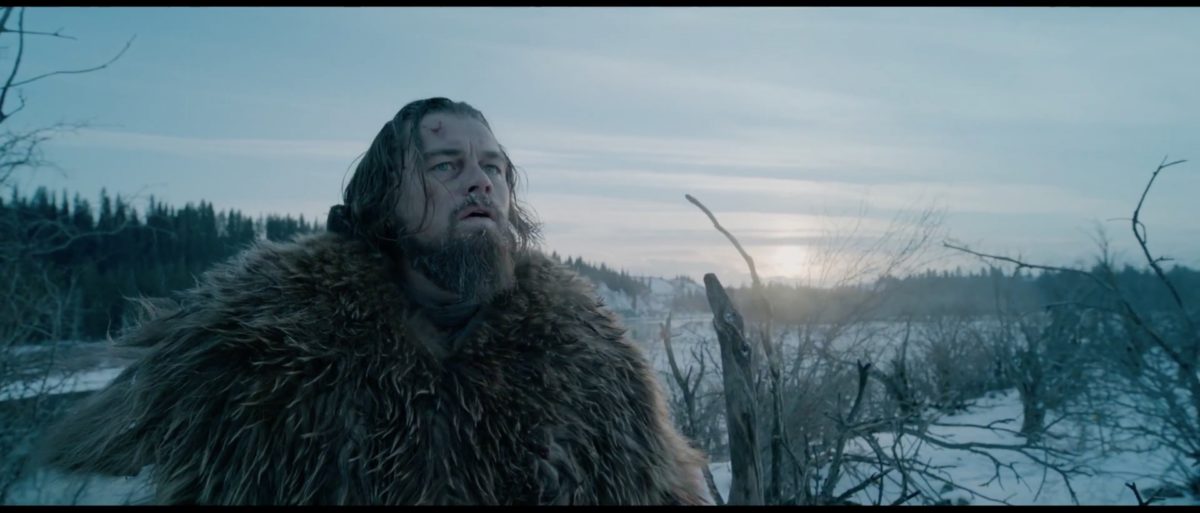
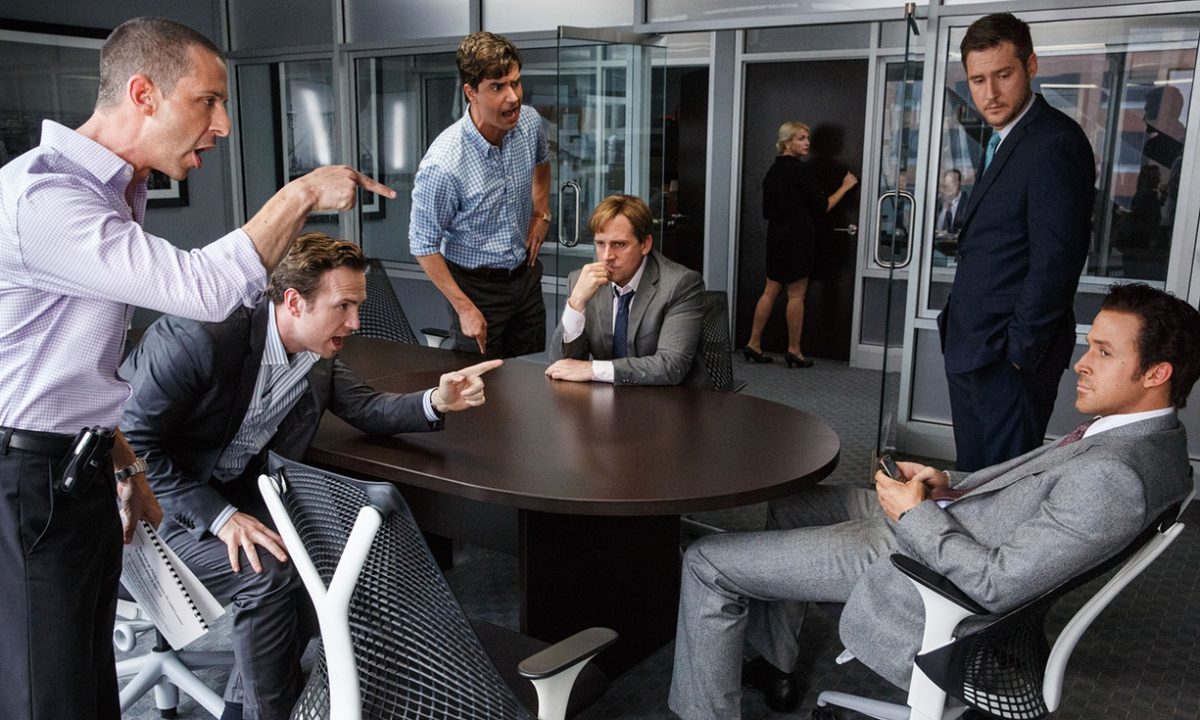
 The Big Short is set in the years leading up to the financial meltdown of 2008 and tells the story of a handful of investors who saw it coming. Bitter humor (primarily delivered by an excellent narrator in Ryan Gosling) guides us through an educational journey that ultimately ends in tragedy (for everyone but our protagonists). The housing market is usually a rock-solid investment. But these guys read the signs and started suspecting that it was a skyscraper built on sand and it was getting ready to collapse. The “experts” of the day told them that it was impossible, That it couldn’t happen.
 There are jump cuts, slow motion, foreshadowing and flash backs. The filmmakers use any and all tricks to explain a complicated mess of financial underhandedness in order to help the audience understand, because as our narrator tells us, “Mortgage backed securities, subprime loans, tranches… Pretty confusing right? Does it make you feel bored? Or stupid? Well, it’s supposed to. Wall Street loves to use confusing terms to make you think only they can do what they do. Or even better, for you to leave them the f*** alone.” The banks, mortgage brokers, the credit ratings agencies and the government manipulated people in the nation and world into investing in worthless packages of bonds, and it behooves the director and writer, Adam McKay, to use all cinematic tricks to explain and untangle the financial corruption. The miracle is that the film deciphers the economic melt-down well while entertaining its audience.
 It would probably be a good time to compare this film to two other recent films which addressed similar issues but in very different ways. First you have the over the top Martin Scorsese film, Wolf of Wall Street. That film became known for the number of F-bombs it dropped while attempting to make the world of investing look cool. Then there was the Oscar winning documentary by Charles Ferguson, Inside Job. It had a cool narrator in Matt Damon, but you almost needed a degree in Finance to follow along as they explained the crisis and spoke to experts. I feel like Adam McKay sought to walk a like between these too films, it is not over the top in an attempt to be cool, nor is it preachy and heavy handed. It reminds me of a heist movie in the vein of Ocean’s Eleven, the casino gets taken for all it’s worth, but in the end the house still wins.
 I’ll let you watch the movie for yourself to get to know the awesome characters that McKay develops for us. As a middle-class worker, I could not have less in common with these guys, but dang it if I didn’t feel myself rooting for and empathizing with them. We’ve got a socially backward fund manager who blasts death metal in his office. The two young guys who started on their own fund while they were still in college. Knowing that they are out of their league, they call in the investing giant turned reclusive doomsday-prepper. Then there’s the hedge-fund manager (and his team) with a bad attitude toward banks.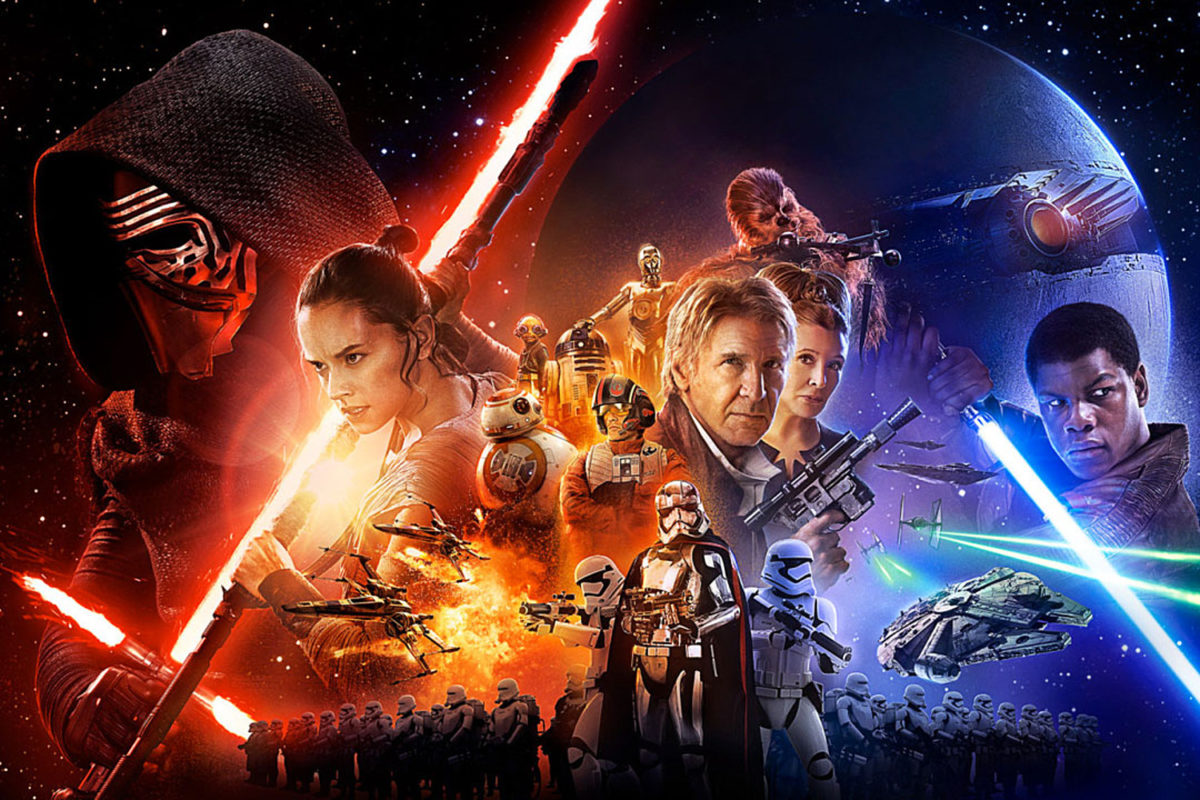
 The movie features a blend of new characters as well as actors reprising their roles from the original movies as we join them 30 years since the destruction of the Death Star and the fall of the Empire. We are treated to Harrison Ford and Peter Mayhew as Han Solo and Chewbacca, Carrie Fisher as Princess turned General Leia Organa, and Mark Hamill even makes a brief albeit epic appearance as the nearly mythical Luke Skywalker. There are plenty of other visuals and references that caused the theaters to erupt with fanboys (and girls) gushing their praise. However, some have said that this film was too close to the originals and it should be called more of a reboot than a sequel. I disagree.
 I see the presence of the original characters as a way to pass the baton on to a new generation as we step into new adventures. John Boyega as Finn, Daisy Ridley as Rey, Adam Driver as Kylo Ren, and Oscar Isaac as Poe bring a delightful on-screen chemistry reminiscent of the original trilogy but setting a course for a new direction. The new characters are at home in the Star Wars universe, nothing feels forced, and they welcomingly provide a lighthearted and fitting next generation of heroes. Both the old and new cast work beautifully together, and the result is a film jam-packed with classic banter, references to previous movies and suspenseful action.
 I will not spoil anything here, though if you have waited as long as I did to watch the film you will need to watch out for sneaky spoilers already creeping their way into pop-culture. My recent favorite being Adam Driver reprising his role on Saturday Night Live as Kylo Ren becomes Undercover Boss.
 Russell hopes for a Jennifer Lawrence hat trick with Joy, but unfortunately, this time his delicate balloon pops. It’s a movie about a lower middle class single mother rediscovering her creativity, her fight not to be exploited by the world of commerce or her dysfunctional family, and about the birth of QVC and the show-business of retail sales. However, Russell (who shares story credit with Bridesmaids co-writer Annie Mumolo) doesn’t quite figure out how to tell these stories at the same time, or even back-to-back, resulting in a pile-up of characters and incidents and emotions that just never works.